


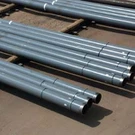


As a reputable 3LPE supplier, I am often asked about the mechanical properties of 3LPE (Three-Layer Polyethylene) coating. This coating is widely used in the pipeline industry due to its excellent corrosion resistance and mechanical performance. In this blog post, I will delve into the key mechanical properties of 3LPE and explain why it is a preferred choice for protecting steel pipes in various environments.
Adhesion Strength
One of the most critical mechanical properties of 3LPE is its adhesion strength to the steel substrate. A strong bond between the coating and the pipe surface is essential to prevent corrosion and ensure the long-term integrity of the pipeline. The 3LPE coating consists of three layers: an epoxy primer, a copolymer adhesive, and a polyethylene topcoat. The epoxy primer provides excellent adhesion to the steel surface by forming a chemical bond through cross-linking reactions. The copolymer adhesive layer acts as a bridge between the epoxy primer and the polyethylene topcoat, enhancing the overall adhesion strength.
High adhesion strength is crucial because it prevents the coating from delaminating or separating from the steel pipe. Delamination can expose the steel to the surrounding environment, leading to corrosion and potential pipeline failures. In practical applications, the adhesion strength of 3LPE is typically measured using pull-off tests, where a circular dolly is glued to the coating surface, and a pulling force is applied until the coating detaches from the substrate. According to industry standards, the adhesion strength of 3LPE should be sufficient to ensure that the coating remains intact under normal operating conditions.
Impact Resistance
3LPE coatings exhibit excellent impact resistance, which is vital for pipelines that may be subjected to mechanical damage during installation, transportation, or operation. The polyethylene topcoat in the 3LPE system provides a tough and resilient outer layer that can absorb and distribute the energy from impacts. This helps to prevent the coating from cracking or chipping, which could compromise its protective function.
The impact resistance of 3LPE is influenced by several factors, including the thickness and type of the polyethylene layer, as well as the quality of the overall coating system. Thicker polyethylene layers generally offer better impact resistance, but they also increase the cost and weight of the coating. Additionally, the type of polyethylene used can affect its impact properties. For example, high-density polyethylene (HDPE) is known for its high strength and impact resistance, making it a popular choice for 3LPE coatings.
To ensure the impact resistance of 3LPE coatings, manufacturers often conduct impact tests using standardized procedures. These tests involve dropping a weighted object onto the coated pipe surface from a specified height and then examining the coating for damage. By meeting the requirements of these tests, 3LPE coatings can provide reliable protection against impact-related damage in real-world applications.
Abrasion Resistance
In many pipeline applications, pipes are exposed to abrasive materials such as sand, gravel, or rocks. Therefore, abrasion resistance is another important mechanical property of 3LPE coatings. The polyethylene topcoat in the 3LPE system has good abrasion resistance, which helps to protect the underlying layers and the steel substrate from wear and tear.
The abrasion resistance of 3LPE is related to the hardness and toughness of the polyethylene material. Harder polyethylene materials tend to have better abrasion resistance, but they may also be more brittle. Therefore, a balance needs to be struck between hardness and toughness to achieve optimal abrasion performance. Additionally, the surface finish of the coating can also affect its abrasion resistance. A smooth surface is less likely to catch abrasive particles, reducing the potential for abrasion damage.


Manufacturers typically evaluate the abrasion resistance of 3LPE coatings using abrasion tests, such as the Taber abrasion test. In this test, a rotating abrasive wheel is applied to the coating surface under a specified load, and the amount of material removed is measured. By ensuring that the 3LPE coating meets the required abrasion resistance standards, it can effectively protect the pipeline from abrasion in harsh environments.
Flexibility
Flexibility is an important property for 3LPE coatings, especially for pipelines that are installed in areas with uneven terrain or where there may be ground movement. A flexible coating can accommodate the bending and deformation of the pipe without cracking or delaminating. The polyethylene topcoat in the 3LPE system provides a certain degree of flexibility, allowing the coating to follow the shape changes of the pipe.
The flexibility of 3LPE is influenced by the type and formulation of the polyethylene used, as well as the thickness of the coating layers. Some polyethylene materials are more flexible than others, and manufacturers can adjust the formulation to achieve the desired level of flexibility. Thinner coating layers generally offer more flexibility, but they may also provide less protection. Therefore, a careful balance needs to be maintained between flexibility and other mechanical properties such as adhesion strength and impact resistance.
To assess the flexibility of 3LPE coatings, manufacturers often conduct bend tests. In these tests, the coated pipe is bent to a specified radius, and the coating is examined for cracks or delamination. By ensuring that the 3LPE coating can withstand the expected bending and deformation in the field, it can provide reliable protection for the pipeline over its service life.
Chemical Resistance
In addition to its mechanical properties, 3LPE coatings also offer excellent chemical resistance. The polyethylene topcoat is resistant to a wide range of chemicals, including acids, alkalis, salts, and organic solvents. This makes 3LPE coatings suitable for use in pipelines that transport various fluids, such as oil, gas, water, and chemicals.
The chemical resistance of 3LPE is due to the non-polar nature of polyethylene, which makes it less susceptible to chemical attack. The epoxy primer and copolymer adhesive layers also contribute to the overall chemical resistance of the coating system by providing an additional barrier against chemical penetration. However, the chemical resistance of 3LPE can be affected by factors such as the temperature, concentration, and exposure time of the chemicals. Therefore, it is important to select the appropriate 3LPE coating system based on the specific chemical environment of the pipeline.
Applications of 3LPE Coatings
Due to its excellent mechanical and chemical properties, 3LPE coatings are widely used in various pipeline applications. They are commonly used in the oil and gas industry for onshore and offshore pipelines, as well as in water and wastewater treatment plants, chemical processing facilities, and other industrial applications.
In the oil and gas industry, 3LPE coatings are used to protect pipelines from corrosion and mechanical damage during the transportation of crude oil, natural gas, and refined products. The high adhesion strength, impact resistance, and chemical resistance of 3LPE make it an ideal choice for these harsh environments. For more information on steel pipe coating with 3LPE, you can visit 3PE Coating Steel Pipe and 3LPE Coating Seamless Steel Pipe.
In water and wastewater treatment plants, 3LPE coatings are used to protect pipes from corrosion caused by the presence of chemicals and microorganisms in the water. The chemical resistance and flexibility of 3LPE make it suitable for these applications, where the pipes may be exposed to a variety of chemicals and may need to withstand some degree of bending and deformation.
In chemical processing facilities, 3LPE coatings are used to protect pipes that transport various chemicals. The excellent chemical resistance of 3LPE ensures that the pipes are protected from corrosion and chemical attack, even in the presence of highly corrosive chemicals. For details on another related coating option, you can refer to Steel Pipe Coating With Dual Layer FBE.
Conclusion
In conclusion, the mechanical properties of 3LPE coatings, including adhesion strength, impact resistance, abrasion resistance, flexibility, and chemical resistance, make them an excellent choice for protecting steel pipes in a wide range of applications. These properties ensure the long-term integrity and performance of the pipelines, reducing the risk of corrosion and mechanical damage.
As a 3LPE supplier, we are committed to providing high-quality 3LPE coatings that meet the strictest industry standards. Our coatings are manufactured using advanced technologies and high-quality materials to ensure optimal mechanical and chemical properties. If you are in need of 3LPE coatings for your pipeline projects, we invite you to contact us for a detailed discussion. We can provide you with customized solutions based on your specific requirements and help you select the most suitable coating system for your application.
References
- ASTM International. (20XX). Standard test methods for evaluating the properties of pipeline coatings.
- ISO Standards. (20XX). International standards for pipeline coatings and corrosion protection.
- Industry publications on pipeline coating technology and applications.