


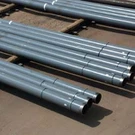


Black pipes, also known as black steel pipes, are a common type of piping used in various applications, including water supply systems, gas distribution, and structural support. As a black pipe supplier, I often get asked about the lifespan of black pipes. In this blog post, I'll delve into the factors that affect the longevity of black pipes and provide some insights on how long you can expect them to last.
Factors Affecting the Lifespan of Black Pipes
1. Material Quality
The quality of the steel used to manufacture black pipes is a significant determinant of their lifespan. High - quality steel with the right chemical composition and proper manufacturing processes will result in pipes that are more resistant to corrosion and mechanical stress. For instance, pipes that adhere to international standards such as EN10216 - 1 Seamless Steel Tubes For Pressure Purpose are typically made with strict quality control measures, ensuring better performance and durability.


2. Environmental Conditions
The environment in which black pipes are installed plays a crucial role in their lifespan. Pipes exposed to harsh environmental conditions, such as high humidity, corrosive chemicals, or extreme temperatures, will deteriorate more quickly. For example, in coastal areas where the air contains saltwater, black pipes are more prone to corrosion due to the electrochemical reactions between the steel and the salt. On the other hand, pipes installed in dry, indoor environments with stable temperatures are likely to last longer.
3. Type of Fluid or Gas Transported
The nature of the fluid or gas flowing through the black pipes can also impact their lifespan. If the pipes are used to transport water, the water quality is a key factor. Water with high levels of dissolved oxygen, minerals, or acidity can accelerate corrosion. Similarly, if the pipes are used for gas distribution, the presence of impurities in the gas can cause corrosion or other forms of damage over time.
4. Installation and Maintenance
Proper installation and regular maintenance are essential for extending the lifespan of black pipes. Incorrect installation, such as improper welding or inadequate support, can lead to stress concentrations and premature failure. Regular maintenance, including inspections for leaks, corrosion, and damage, can help identify and address issues before they become serious problems.
Typical Lifespan of Black Pipes
On average, black pipes can last anywhere from 20 to 50 years. However, this is a very general estimate, and the actual lifespan can vary significantly depending on the factors mentioned above.
In a well - maintained indoor water supply system with good water quality, black pipes can last up to 50 years or more. The stable environment and the absence of harsh external factors contribute to their long - term durability.
In contrast, black pipes used in industrial settings where they are exposed to corrosive chemicals or high - pressure fluids may have a much shorter lifespan, perhaps only 20 years or less.
Extending the Lifespan of Black Pipes
1. Coating and Linings
Applying protective coatings or linings to black pipes can significantly enhance their resistance to corrosion. Epoxy coatings, for example, create a barrier between the steel and the surrounding environment, preventing corrosion from occurring. There are also internal linings available for pipes that transport fluids, which can protect the inner surface of the pipe from chemical attack.
2. Cathodic Protection
Cathodic protection is a technique used to prevent corrosion by making the pipe the cathode of an electrochemical cell. This can be achieved through either sacrificial anode cathodic protection or impressed current cathodic protection. Sacrificial anodes, such as zinc or magnesium, are connected to the pipe, and they corrode preferentially, protecting the pipe from corrosion.
3. Regular Inspections and Maintenance
As mentioned earlier, regular inspections are crucial for detecting early signs of corrosion, leaks, or other damage. Any issues should be addressed promptly to prevent further deterioration. Maintenance tasks may include cleaning the pipes, tightening connections, and replacing damaged sections.
Different Standards and Their Impact on Lifespan
When choosing black pipes, it's important to consider the standards they meet. For example, ASTM A778 Large Diameter Stainless Steel Pipe is a standard for stainless steel pipes. Stainless steel pipes generally have better corrosion resistance compared to traditional black steel pipes, which can potentially extend their lifespan, especially in corrosive environments.
Another standard is JIS G3461 Carbon Steel Tubes For Boiler And Heat Exchanger. Pipes meeting this standard are designed for specific applications in boilers and heat exchangers. The strict manufacturing requirements and quality control associated with this standard ensure that the pipes can withstand the high - temperature and high - pressure conditions in these applications, leading to a longer lifespan.
Conclusion
The lifespan of black pipes is influenced by multiple factors, including material quality, environmental conditions, the type of fluid or gas transported, and installation and maintenance practices. On average, they can last between 20 and 50 years, but this can vary widely. By taking appropriate measures such as using protective coatings, implementing cathodic protection, and conducting regular maintenance, the lifespan of black pipes can be extended.
If you're in the market for high - quality black pipes or need more information on pipe selection and maintenance, I encourage you to reach out to discuss your specific requirements. Whether you're working on a small - scale residential project or a large - scale industrial installation, I can provide you with the right pipes and expert advice to ensure a long - lasting and reliable piping system.
References
- "Corrosion of Metals in Water: A Practical Guide" by J. A. Dean
- "Handbook of Steel Pipe Engineering" by W. A. Nash