


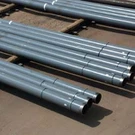


As a seasoned metal pipe supplier, I've witnessed firsthand the diverse challenges that customers face when dealing with metal pipes. These issues can range from corrosion and leaks to structural failures, and they can significantly impact the performance and longevity of your piping systems. In this blog post, I'll share some practical solutions to the most common problems of metal pipes, drawing on my years of experience in the industry.


Corrosion
Corrosion is one of the most prevalent problems in metal pipes, especially those exposed to harsh environments or corrosive substances. It can lead to reduced pipe thickness, weakened structural integrity, and eventually, leaks or failures. To combat corrosion, there are several effective strategies you can employ:
- Coating and Linings: Applying protective coatings or linings to the interior and exterior of the pipes can create a barrier between the metal and the corrosive elements. Common coatings include epoxy, polyethylene, and zinc. These coatings can significantly extend the lifespan of the pipes and reduce the risk of corrosion. For example, our Large Diameter Hot Rolled Thick Wall Square Tube can be coated with high-quality epoxy to enhance its corrosion resistance.
- Cathodic Protection: This method involves using a sacrificial anode or an impressed current to protect the metal pipe from corrosion. The anode corrodes instead of the pipe, effectively sacrificing itself to prevent damage to the main structure. Cathodic protection is commonly used in underground or submerged pipes, where corrosion rates can be particularly high.
- Material Selection: Choosing the right type of metal for your specific application is crucial in preventing corrosion. Stainless steel, for instance, is highly resistant to corrosion due to its chromium content, which forms a protective oxide layer on the surface. If corrosion is a major concern, consider using stainless steel pipes like our ASTM A53 Seamless Steel Pipe For Fluid, which is known for its excellent corrosion resistance and durability.
Leaks
Leaks can occur in metal pipes due to various reasons, such as corrosion, improper installation, or excessive pressure. They can lead to water damage, loss of fluid, and even pose safety hazards. Here's how you can address leaks effectively:
- Inspection and Detection: Regularly inspect your pipes for signs of leaks, such as water stains, damp spots, or hissing sounds. You can also use leak detection devices, such as pressure sensors or acoustic detectors, to identify leaks early. Once a leak is detected, mark the location and assess the severity of the problem.
- Repair or Replacement: Depending on the size and location of the leak, you may be able to repair it using patches, clamps, or sealants. For minor leaks, a simple patch or clamp can often provide a temporary fix. However, for more significant leaks or damaged sections of the pipe, replacement may be necessary. Our LSAW Steel Pipes For Low Pressure Liquid Delivery are available in various sizes and specifications, making it easy to find a suitable replacement for your existing pipes.
- Proper Installation: Ensuring proper installation of the pipes is essential in preventing leaks. Make sure the pipes are correctly aligned, supported, and joined together using appropriate fittings and techniques. Follow the manufacturer's installation instructions carefully and hire a professional plumber or installer if necessary.
Blockages
Blockages can occur in metal pipes due to the accumulation of debris, sediment, or scale. They can restrict the flow of fluid, reduce the efficiency of the piping system, and even cause backups or overflows. To prevent and clear blockages, consider the following solutions:
- Regular Maintenance: Implement a regular maintenance schedule to clean and flush your pipes. This can help remove any accumulated debris or sediment and prevent blockages from forming. You can use a variety of cleaning methods, such as hydro-jetting, chemical cleaners, or mechanical augers, depending on the type and severity of the blockage.
- Filtration Systems: Installing filtration systems at the source of the water supply or at strategic points in the piping system can help prevent debris and sediment from entering the pipes. This can significantly reduce the risk of blockages and extend the lifespan of the pipes.
- Proper Waste Disposal: Educate your employees or residents on proper waste disposal practices to prevent foreign objects from being flushed down the drains. Avoid pouring grease, oil, or large amounts of food waste into the sink, as these can solidify and cause blockages.
Structural Failures
Structural failures in metal pipes can occur due to factors such as excessive pressure, improper support, or material fatigue. They can lead to catastrophic consequences, such as pipe bursts, collapses, or leaks. To prevent structural failures, take the following precautions:
- Pressure Management: Ensure that the pipes are designed and installed to handle the expected pressure levels. Use pressure relief valves or regulators to control the pressure within the piping system and prevent overpressure situations. Regularly monitor the pressure and make adjustments as needed.
- Proper Support and Anchoring: Provide adequate support and anchoring for the pipes to prevent excessive movement or vibration. Use pipe hangers, brackets, or supports to secure the pipes in place and distribute the weight evenly. Make sure the supports are properly installed and maintained to prevent them from failing.
- Material Testing and Inspection: Conduct regular material testing and inspection to assess the integrity of the pipes. This can help detect any signs of material fatigue, corrosion, or other defects early and allow for timely repairs or replacements. Use non-destructive testing methods, such as ultrasonic testing or X-ray inspection, to evaluate the internal condition of the pipes without causing damage.
Conclusion
In conclusion, solving the common problems of metal pipes requires a proactive approach that includes proper material selection, installation, maintenance, and monitoring. By implementing the strategies outlined in this blog post, you can significantly reduce the risk of corrosion, leaks, blockages, and structural failures, and ensure the long-term performance and reliability of your piping systems.
If you're facing any issues with your metal pipes or need assistance in selecting the right pipes for your project, don't hesitate to contact us. As a leading metal pipe supplier, we have the expertise and experience to provide you with high-quality products and solutions tailored to your specific needs. Let's work together to solve your metal pipe problems and ensure the success of your projects.
References
- ASME Boiler and Pressure Vessel Code
- ASTM International Standards
- National Fire Protection Association (NFPA) Codes
- Water Quality Association (WQA) Standards