


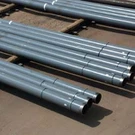


As a trusted 3LPE supplier, I understand the critical importance of proper storage for 3LPE raw materials. 3LPE, or Three-Layer Polyethylene coating, is widely used in the protection of steel pipes, offering excellent corrosion resistance and mechanical properties. Whether you're involved in the production of 3PE Coating Steel Pipe, 3LPE External Coating Steel Pipe for Oil and Gas Pipeline, or 3LPE Coating Seamless Steel Pipes, the quality of your end products heavily relies on the proper storage of 3LPE raw materials. In this blog, I'll share some key strategies and best practices for storing these essential materials.


Understanding 3LPE Raw Materials
Before diving into storage methods, it's essential to understand the components of 3LPE raw materials. Typically, 3LPE consists of three layers: an epoxy primer, an adhesive layer, and a polyethylene top - layer. Each layer has its own unique properties and storage requirements.
The epoxy primer is a critical component that provides excellent adhesion to the steel surface and offers initial corrosion protection. It is usually supplied in liquid form and is sensitive to environmental factors such as temperature and humidity. The adhesive layer is designed to bond the epoxy primer and the polyethylene top - layer. It can be in the form of a powder or a granular material. The polyethylene top - layer, which provides mechanical protection and long - term durability, is often supplied as granules.
Temperature and Humidity Control
Temperature and humidity are two of the most crucial factors when it comes to storing 3LPE raw materials.
Epoxy Primer
The epoxy primer should be stored in a cool and dry place. High temperatures can accelerate the curing process of the epoxy, leading to premature hardening and a shortened shelf life. Ideally, the storage temperature for epoxy primer should be between 5°C and 30°C. Extreme cold can also cause the primer to become viscous or form crystals, which will affect its application properties.
Humidity can also have a significant impact on the epoxy primer. Moisture can react with the epoxy resin, leading to a decrease in adhesion and corrosion protection performance. Therefore, the storage area should have a relative humidity of less than 70%. It's advisable to use dehumidifiers in areas with high humidity to maintain the proper environment.
Adhesive and Polyethylene Layers
The adhesive and polyethylene layers are less sensitive to humidity compared to the epoxy primer, but temperature control is still important. For the adhesive layer, storing it at a stable temperature helps maintain its flow properties and bonding strength. Polyethylene granules should be stored at room temperature or slightly above, typically between 15°C and 35°C. High temperatures can cause the polyethylene granules to soften, stick together, and form agglomerates, which will make it difficult to process during the coating production.
Storage Containers
The choice of storage containers is another important aspect of storing 3LPE raw materials.
Epoxy Primer
Epoxy primer is usually supplied in sealed drums or cans. Once opened, it should be transferred to smaller, air - tight containers if not used immediately. This helps to minimize the exposure of the primer to air and moisture. Make sure the containers are made of materials that are compatible with the epoxy, such as steel or high - density polyethylene. Avoid using containers that can react with the epoxy, as this can contaminate the primer and affect its quality.
Adhesive and Polyethylene Layers
The adhesive and polyethylene layers are often stored in bags or bulk containers. For bags, they should be stored on pallets in a dry area to prevent damage from moisture on the floor. Bulk containers should be sealed tightly to prevent the entry of dust and moisture. If possible, use containers with a nitrogen - purged environment to further protect the materials from oxidation.
Protection from Contamination
Contamination can severely degrade the quality of 3LPE raw materials.
Dust and Particles
The storage area should be kept clean and free of dust and other particles. These contaminants can mix with the raw materials during storage and negatively affect the coating quality. Regular cleaning of the storage facility, including sweeping and dusting, is necessary. When handling the raw materials, use clean tools and equipment to prevent the introduction of foreign particles.
Chemical Contamination
Avoid storing 3LPE raw materials near chemicals that can react with them. For example, strong acids, alkalis, and solvents can damage the epoxy primer, adhesive, and polyethylene layers. Keep a safe distance between the 3LPE raw materials and any potentially reactive chemicals in the storage area.
Storage Arrangement and Organization
Proper storage arrangement and organization can improve efficiency and prevent mix - ups.
FIFO System
Implement a First - In, First - Out (FIFO) system in your storage facility. This means that the oldest raw materials should be used first. By following this system, you can ensure that the materials are used within their shelf life and reduce the risk of using expired products.
Labeling
All storage containers should be clearly labeled with the name of the raw material, batch number, production date, and expiration date. This makes it easy to identify the materials and track their usage. Additionally, labeling helps in maintaining the FIFO system and ensures that the correct materials are used in the production process.
Monitoring and Inspection
Regular monitoring and inspection of the stored 3LPE raw materials are essential to ensure their quality.
Visual Inspection
Conduct visual inspections of the raw materials on a regular basis. Check for signs of damage, such as leaks in the containers, discoloration, or changes in the physical state of the materials. For example, if the epoxy primer has become cloudy or has a strange odor, it may be a sign of degradation.
Quality Testing
Periodically test the quality of the stored raw materials. This can involve simple tests such as viscosity measurement for the epoxy primer or melt flow index testing for the polyethylene granules. These tests can help detect any changes in the material properties and ensure that the raw materials meet the required specifications.
Conclusion
Proper storage of 3LPE raw materials is crucial for maintaining their quality and ensuring the production of high - quality coated steel pipes. By controlling temperature and humidity, choosing the right storage containers, protecting against contamination, organizing the storage area, and conducting regular monitoring and inspection, you can maximize the shelf life of your 3LPE raw materials and improve the overall performance of your products.
If you're in the market for high - quality 3LPE raw materials or have any questions about storage and application, I encourage you to reach out. We're more than happy to assist you in your procurement process and provide you with the best products and advice for your projects.
References
- "Coating Technology for Corrosion Protection of Steel Pipes", Industry Handbook, 2022.
- "Best Practices in Raw Material Storage for Coating Industries", Journal of Coating Science, Vol. 15, 2021.
- "3LPE Coating Systems: Design, Application, and Performance", Technical Report, Corrosion Research Institute, 2023.