




As a supplier of steel elbows, I've been in the industry long enough to understand that while steel elbows offer numerous advantages, they also come with certain disadvantages. In this blog, I'll delve into these drawbacks to provide a comprehensive view for potential buyers.
1. High Initial Cost
One of the most significant disadvantages of using steel elbows is the high initial cost. Steel, especially high - quality steel used in elbow manufacturing, is relatively expensive compared to other materials like PVC or HDPE. The cost of raw materials, combined with the complex manufacturing processes involved in shaping steel into elbows, drives up the price.
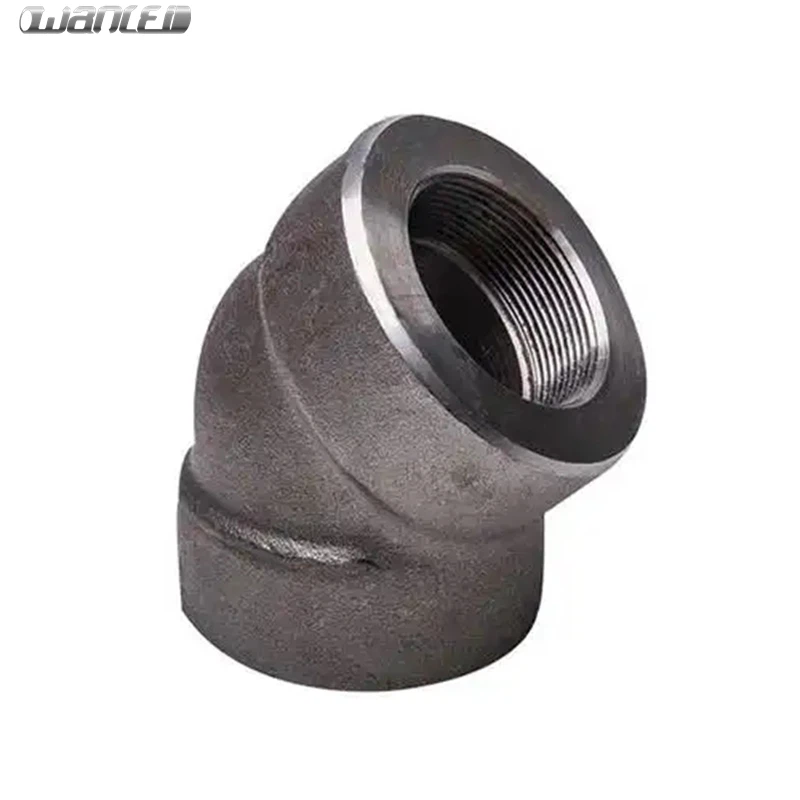
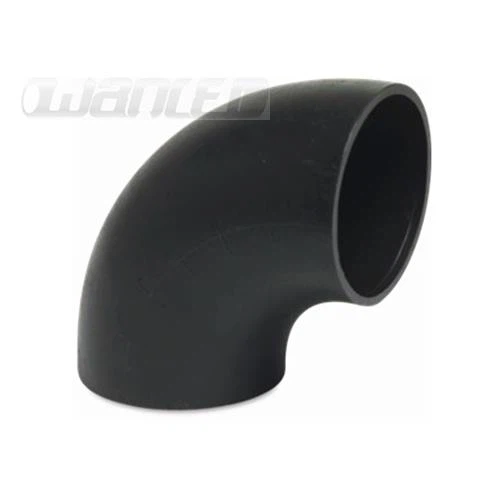
For example, the 45DEG 90DEG NPT Threaded Elbow Pipe Fitting requires precise threading and machining operations, which add to the overall cost. The cost of producing thick - walled steel elbows, such as the Thick Wall Seamless Carbon Steel Elbow, is also high due to the need for seamless production techniques and the use of high - grade carbon steel. This high initial investment can be a deterrent for budget - conscious projects, especially those with large - scale piping requirements.
2. Susceptibility to Corrosion
Steel is prone to corrosion, especially when exposed to moisture, chemicals, or certain environmental conditions. Corrosion can significantly reduce the lifespan of steel elbows and compromise their structural integrity. In industrial settings where the piping system may come into contact with corrosive substances, such as acids, alkalis, or saltwater, the risk of corrosion is even higher.
For instance, in a marine environment, the ASME B16.11 ASTM A350 LF2 Elbow may be exposed to saltwater, which can cause rusting and pitting over time. To prevent corrosion, additional protective measures such as painting, galvanizing, or applying anti - corrosion coatings are required. These protective measures not only add to the cost but also require regular maintenance to ensure their effectiveness. If the protective coatings are damaged or worn out, the steel elbow becomes vulnerable to corrosion, leading to potential leaks and system failures.
3. Heavy Weight
Steel elbows are relatively heavy compared to elbows made from other materials. This heavy weight can pose challenges during installation and transportation. During installation, the weight of the steel elbows may require additional support structures to prevent sagging or misalignment. This can increase the complexity and cost of the installation process.
For large - scale projects, the transportation of steel elbows can also be a logistical nightmare. The heavy weight means that more fuel is consumed during transportation, increasing the carbon footprint and transportation costs. In addition, special handling equipment may be required to lift and move the steel elbows safely, which further adds to the overall project cost.
4. Difficult Welding and Joining
Welding and joining steel elbows can be a complex and skill - intensive process. Steel has a high melting point, which requires specialized welding equipment and techniques. Improper welding can lead to weak joints, which may fail under pressure or stress.
For example, if the welding is not done correctly, it can result in cracks, porosity, or lack of fusion in the joint. These defects can compromise the integrity of the piping system and increase the risk of leaks. In addition, the welding process may require pre - heating and post - heating treatments to prevent cracking and ensure proper metallurgical properties. These additional steps add to the time and cost of the installation process.
5. Limited Flexibility
Steel elbows have limited flexibility compared to some other materials. Once a steel elbow is manufactured, its shape and angle are fixed. This lack of flexibility can be a problem in applications where the piping system needs to be adjusted or modified.
In situations where the layout of the piping system needs to be changed due to design modifications or unforeseen circumstances, it may be difficult to reuse or re - configure steel elbows. In contrast, materials like PVC or flexible hoses can be easily bent or adjusted to fit different layouts.
6. Thermal Expansion and Contraction
Steel expands and contracts with changes in temperature. In piping systems that are exposed to significant temperature variations, this thermal expansion and contraction can cause stress on the elbows and the entire piping system.
If the piping system is not designed to accommodate thermal expansion and contraction, it can lead to pipe distortion, leaks, or even structural failure. To address this issue, expansion joints or flexible connectors may need to be installed, which add to the cost and complexity of the system.
7. Environmental Impact
The production of steel elbows has a significant environmental impact. The steel manufacturing process consumes large amounts of energy and resources, and it generates a substantial amount of greenhouse gas emissions. In addition, the disposal of steel elbows at the end of their lifespan can also pose environmental challenges.
Steel is a non - biodegradable material, and if not recycled properly, it can end up in landfills, taking up valuable space. Recycling steel requires energy and resources, and the recycling process may not be 100% efficient.
Despite these disadvantages, steel elbows are still widely used in many industries due to their high strength, durability, and resistance to high pressure and temperature. However, it's important for buyers to be aware of these drawbacks so that they can make informed decisions when selecting piping materials.
If you're considering using steel elbows for your project and want to discuss how to mitigate these disadvantages or find the best solutions for your specific needs, I invite you to reach out for a procurement consultation. We can work together to find the most cost - effective and reliable options for your piping system.
References
- "Piping Handbook" by Cameron W. Murray
- "Corrosion of Metals" by L. L. Shreir
- "Welding Metallurgy" by John C. Lippold