


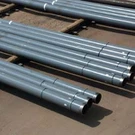


Hey there! As a GI pipe supplier, I've been getting a bunch of questions lately about the requirements for using GI pipes in fire sprinkler systems. So, I thought I'd put together this blog post to share some insights and clear up any confusion.
First off, let's talk about what GI pipes are. GI stands for galvanized iron, and these pipes are made by coating regular steel pipes with a layer of zinc. This zinc coating helps protect the pipes from corrosion, which is super important in fire sprinkler systems since they're often exposed to water and other elements over long periods.
Material Quality
One of the most crucial requirements for using GI pipes in fire sprinkler systems is the material quality. The steel used to make the pipes should meet certain standards. For example, it should have the right strength and ductility to withstand the pressure and stress that come with a fire sprinkler system.
When it comes to the zinc coating, it needs to be thick enough to provide adequate corrosion protection. A thin coating might wear off quickly, leaving the steel vulnerable to rust and other forms of corrosion. The coating should also be evenly applied to ensure consistent protection across the entire surface of the pipe.
We offer BS1387 Galvanized Steel Tubes that meet high - quality standards. These tubes are manufactured with precision, and the zinc coating is carefully controlled to provide long - lasting protection.
Pipe Dimensions
The dimensions of the GI pipes are also a big deal. The diameter of the pipes needs to be appropriate for the flow rate required by the fire sprinkler system. If the pipes are too small, the water flow might be restricted, which could affect the effectiveness of the sprinklers. On the other hand, if the pipes are too large, it can lead to unnecessary costs and a more complex installation process.
The wall thickness of the pipes is another important factor. Thicker walls can handle higher pressures, but they also increase the weight and cost of the pipes. You need to find the right balance based on the specific requirements of your fire sprinkler system.
Our 4Inch SCH40 Galvanized Steel Pipe is a popular choice for many fire sprinkler systems. It has the right dimensions to ensure proper water flow and can withstand the typical pressures in these systems.
Fittings and Joints
In a fire sprinkler system, the fittings and joints are just as important as the pipes themselves. They need to be made of high - quality materials that are compatible with the GI pipes. The joints should be leak - proof to prevent water from escaping and ensure that the system operates efficiently.


There are different types of fittings available, such as elbows, tees, and couplings. Each type has its own role in directing the water flow within the system. It's essential to choose the right fittings and install them correctly to avoid any problems down the line.
Installation Requirements
Proper installation is key to the successful operation of a fire sprinkler system using GI pipes. The pipes need to be installed in a way that allows for easy access for maintenance and inspection. They should also be supported adequately to prevent sagging or damage.
The layout of the pipes should follow the design of the fire sprinkler system. This means that the pipes should be routed in a way that ensures even distribution of water to all the sprinklers. Any bends or turns in the pipes should be designed to minimize pressure loss.
Testing and Certification
Before a fire sprinkler system using GI pipes can be put into service, it needs to be tested thoroughly. This includes pressure testing to make sure the pipes and fittings can handle the required water pressure without leaking. There are also flow tests to ensure that the water is flowing at the right rate to all the sprinklers.
The pipes and the entire system should also be certified to meet relevant standards. This gives you peace of mind knowing that the system is safe and reliable. Our BS1387 Galvanized Steel Tube is tested and certified to meet industry standards, so you can trust that it will perform well in your fire sprinkler system.
Maintenance
Regular maintenance is essential for the long - term performance of a fire sprinkler system with GI pipes. This includes checking for signs of corrosion, leaks, or damage to the pipes and fittings. Any issues should be addressed promptly to prevent them from turning into bigger problems.
The zinc coating on the pipes may need to be inspected periodically. If the coating shows signs of wear, it might need to be repaired or recoated to maintain its corrosion - resistant properties.
Cost Considerations
When it comes to using GI pipes in fire sprinkler systems, cost is always a factor. While GI pipes are generally more affordable than some other materials, you still need to consider the overall cost of the system. This includes the cost of the pipes, fittings, installation, testing, and maintenance.
However, it's important to remember that investing in high - quality GI pipes and a well - designed system can save you money in the long run. A reliable fire sprinkler system can prevent costly damage from fires, and high - quality pipes will require less maintenance and replacement over time.
If you're in the market for GI pipes for your fire sprinkler system, I'd love to have a chat with you. We have a wide range of products that meet all the requirements I've mentioned above. Whether you need BS1387 Galvanized Steel Tubes or 4Inch SCH40 Galvanized Steel Pipe, we've got you covered. Feel free to reach out to discuss your specific needs and get a quote.
References
- National Fire Protection Association (NFPA) standards for fire sprinkler systems
- Industry guidelines on the use of galvanized pipes in plumbing and fire protection systems