


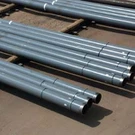


As a long - time 3LPE (Three - Layer Polyethylene) supplier, I've witnessed firsthand the critical role that 3LPE - coated pipelines play in various industries, especially in the oil and gas sector. These pipelines are renowned for their excellent corrosion resistance, mechanical protection, and long - term durability. However, to ensure they continue to perform optimally over their lifespan, proper maintenance is essential. In this blog, I'll share some key strategies on how to maintain 3LPE - coated pipelines.
Understanding 3LPE Coating
Before delving into maintenance, it's important to understand what 3LPE coating is. The 3LPE coating system consists of three layers: a fusion - bonded epoxy (FBE) primer, an adhesive layer, and an outer polyethylene layer. The FBE primer provides excellent adhesion to the steel surface and offers corrosion protection. The adhesive layer bonds the FBE primer to the outer polyethylene layer, which provides mechanical protection against abrasion, impact, and environmental factors.
You can learn more about 3LPE - coated pipes from our product page: 3LPE External Coating Steel Pipe for Oil and Gas Pipeline.
Pre - installation Maintenance
Inspection of Coated Pipes
Before installation, a thorough inspection of the 3LPE - coated pipes is crucial. Check for any visible damage to the coating, such as scratches, cuts, or blisters. Minor damages can be repaired on - site using appropriate repair materials and techniques. However, if the damage is extensive, the pipe may need to be replaced.
Storage Conditions
Proper storage of 3LPE - coated pipes is essential to prevent damage. Pipes should be stored on a flat, stable surface, preferably on wooden supports to avoid direct contact with the ground. They should be protected from extreme weather conditions, such as excessive sunlight, rain, and snow. UV radiation can degrade the polyethylene layer over time, so it's advisable to cover the pipes with a UV - resistant tarp.
Installation - related Maintenance
Handling and Laying
During installation, pipes should be handled with care to avoid damage to the coating. Use appropriate lifting equipment, such as slings or clamps, that won't cause scratches or dents. When laying the pipes, ensure that the trench is properly prepared. The bottom of the trench should be smooth and free of sharp rocks or debris that could puncture the coating.
Welding and Joint Coating
Welding is a critical step in pipeline installation. After welding, the joint area needs to be coated to maintain the integrity of the corrosion - protection system. There are different methods for joint coating, such as using heat - shrink sleeves or liquid epoxy coatings. It's important to follow the manufacturer's instructions carefully to ensure proper adhesion and performance of the joint coating.
You may also be interested in our Steel Pipe Coating With Dual Layer FBE, which can be an alternative for some applications.


Post - installation Maintenance
Regular Inspections
Regular inspections are the cornerstone of maintaining 3LPE - coated pipelines. Visual inspections can be carried out periodically to check for any signs of coating damage, such as cracks, peeling, or discoloration. Non - destructive testing methods, such as ultrasonic testing or magnetic particle testing, can be used to detect internal defects in the coating or the steel pipe.
Cathodic Protection Monitoring
Cathodic protection is often used in conjunction with 3LPE coating to provide additional corrosion protection. It's important to monitor the cathodic protection system regularly to ensure it's functioning properly. This includes measuring the potential of the pipeline at various points and checking the performance of the anodes. If the cathodic protection system is not working effectively, it may need to be adjusted or repaired.
Environmental Monitoring
The environment in which the pipeline is located can have a significant impact on the coating's performance. Factors such as soil resistivity, pH level, and moisture content can affect the corrosion rate. Regular environmental monitoring can help identify potential problems early and allow for appropriate preventive measures to be taken.
Repairing Coating Damage
Minor Damage
For minor coating damage, such as small scratches or chips, on - site repair kits can be used. These kits typically include a primer, an adhesive, and a polyethylene patch. The damaged area should be cleaned and roughened before applying the repair materials to ensure good adhesion.
Major Damage
In the case of major coating damage, such as large areas of peeling or severe impact damage, more extensive repair work may be required. This may involve removing the damaged coating, cleaning the steel surface, and reapplying a new 3LPE coating. It's important to use qualified personnel and follow industry - standard procedures for major repairs.
If you are interested in FBE - related products for repair or other applications, check out our FBE Lining and Coating Steel Pipe.
Training and Documentation
Training
Proper training of personnel involved in the installation, maintenance, and repair of 3LPE - coated pipelines is essential. Training programs should cover topics such as coating inspection, repair techniques, cathodic protection, and environmental monitoring. Well - trained personnel are more likely to identify and address issues promptly, ensuring the long - term performance of the pipelines.
Documentation
Maintaining detailed documentation of all maintenance activities is important. This includes inspection reports, repair records, cathodic protection monitoring data, and environmental monitoring results. Documentation can help track the history of the pipeline, identify trends, and plan future maintenance activities.
Conclusion
Maintaining 3LPE - coated pipelines requires a comprehensive approach that includes pre - installation, installation, and post - installation activities. By following the strategies outlined in this blog, you can ensure the long - term performance and reliability of your pipelines. Regular inspections, proper repair of coating damage, and effective monitoring of the cathodic protection system and the environment are key to extending the lifespan of 3LPE - coated pipelines.
If you are in the market for high - quality 3LPE - coated pipes or need more information on pipeline maintenance, I encourage you to reach out for a purchase consultation. Our team of experts is ready to assist you in finding the best solutions for your specific needs.
References
- Pipeline Corrosion and Protection Handbook, Second Edition, by Pierre R. Roberge
- ISO 21809 - 1:2019 Petroleum and natural gas industries -- External coatings for buried or submerged pipelines used in pipeline transportation systems -- Part 1: Polyolefin coatings (3 - layer PE and 3 - layer PP)
- NACE International standards related to pipeline coating inspection and maintenance