


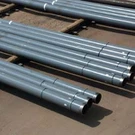


Okay, choosing the right steel tube material for a specific environment is crucial. As a steel tube supplier, I've seen firsthand how the wrong choice can lead to problems down the line. So, let's dive into how to make the right pick.
Understanding the Environment
First off, you gotta know the environment where the steel tubes will be used. Different environments have different demands, and these demands directly affect the type of steel tube you should choose.
Temperature
Temperature is a huge factor. If you're dealing with high - temperature environments, like in a boiler or a heat exchanger, you need steel tubes that can handle the heat without losing their structural integrity. For instance, in a boiler, the temperature can get really high, and regular steel might just warp or lose its strength.
In such cases, tubes like JIS G3463 Stainless Steel Tubes For Boiler And Heat Exchanger are a great option. They're designed to withstand high - temperature conditions and are corrosion - resistant, which is a plus in a boiler environment where there might be some moisture and chemicals.
On the other hand, if you're in a low - temperature environment, say in a refrigeration system, the steel needs to be able to remain ductile and not become brittle. Some steels can become extremely brittle at low temperatures, which could lead to cracks and failures.


Corrosion
Corrosion is another major concern. If the steel tubes are going to be in contact with water, chemicals, or even just in a humid environment, corrosion can eat away at them over time.
For a marine environment, where the tubes are exposed to saltwater, you need highly corrosion - resistant materials. Stainless steel is often a top choice here. It has a chromium oxide layer on its surface that protects it from rust and corrosion.
In industrial settings where there are various chemicals in the air or in contact with the tubes, you might need to look at specialized alloys. For example, if the environment has a lot of acidic substances, you'll need a steel tube that can resist acid corrosion.
Pressure
Pressure is also important. In high - pressure systems, like in oil and gas pipelines or hydraulic systems, the steel tubes need to be strong enough to withstand the pressure without bursting.
ASTM A213 Seamless Alloy Steel Boiler Tubes are often used in high - pressure boiler applications. Their seamless design gives them better strength and reliability compared to welded tubes, making them suitable for handling high pressures.
Types of Steel Tubes
Now that we've understood the environment, let's look at some common types of steel tubes and their characteristics.
Carbon Steel Tubes
Carbon steel tubes are one of the most commonly used types. They're relatively inexpensive and have good strength. They're great for general - purpose applications like structural support in buildings or in some low - pressure plumbing systems.
However, carbon steel is prone to corrosion, especially in wet environments. So, if you're going to use carbon steel tubes, you might need to apply some protective coatings. ASTM A192 Seamless Steel Pipe is a type of carbon steel pipe that's often used in boiler applications where the pressure is relatively low and the corrosion risk can be managed.
Stainless Steel Tubes
Stainless steel tubes are known for their corrosion resistance. They contain chromium, which forms a passive oxide layer on the surface, protecting the steel from rust and other forms of corrosion.
They come in different grades, each suitable for different environments. For example, in food processing industries, where hygiene and corrosion resistance are crucial, austenitic stainless steel tubes are often used. They're easy to clean and don't react with food products.
Alloy Steel Tubes
Alloy steel tubes are made by adding other elements to the steel, like nickel, chromium, or molybdenum. These added elements enhance the properties of the steel, such as strength, corrosion resistance, and heat resistance.
In high - temperature and high - pressure applications, alloy steel tubes are often the go - to choice. They can handle extreme conditions better than carbon steel or even some stainless steels.
Making the Right Choice
To choose the right steel tube material, you need to balance a few things.
Cost
Cost is always a factor. While you want the best - performing steel tube for your environment, you also need to consider your budget. Carbon steel tubes are usually cheaper, but they might require more maintenance in corrosive environments. Stainless steel and alloy steel tubes are more expensive upfront, but they can save you money in the long run by reducing the need for frequent replacements.
Performance Requirements
You need to match the performance requirements of your environment with the properties of the steel tube. If you're in a high - temperature and high - pressure environment, you can't just go for a standard carbon steel tube. You need to invest in a tube that can handle those conditions, like the alloy steel tubes I mentioned earlier.
Availability
Sometimes, the right material might not be readily available. You need to consider lead times and whether you can wait for a particular type of steel tube. As a supplier, I always try to keep a good inventory of different types of steel tubes to meet my customers' needs as quickly as possible.
Conclusion
Choosing the right steel tube material for a specific environment is all about understanding the environment, knowing the types of steel tubes available, and balancing cost, performance requirements, and availability.
If you're in the process of selecting steel tubes for your project, don't hesitate to reach out. As a trusted steel tube supplier, I have the expertise and a wide range of products to help you find the perfect fit for your needs. Let's talk about your requirements and work together to get the right steel tubes for your specific environment.
References
- "Steel Tube Handbook"
- Journals on Metallurgy and Materials Science
- Industry standards such as ASTM and JIS specifications