




Humidity is an environmental factor that can significantly impact various industrial products and processes, and Electric Resistance Welded (ERW) pipes are no exception. As a supplier of ERW pipes, understanding the effects of humidity on these pipes is crucial for ensuring product quality, providing accurate advice to customers, and maintaining long - term business relationships.
Oxidation and Corrosion
One of the most immediate and concerning effects of high humidity on ERW pipes is oxidation and corrosion. When the humidity level in the surrounding environment is elevated, water vapor in the air can condense on the surface of the ERW pipes. This thin layer of moisture acts as an electrolyte, creating a perfect environment for the electrochemical reactions that lead to corrosion.
The iron in the steel pipes reacts with oxygen in the air in the presence of water, forming iron oxide, commonly known as rust. Rust not only affects the aesthetic appearance of the pipes but also weakens their structural integrity. Over time, the corrosion can penetrate deeper into the pipe wall, reducing its thickness and strength. This can lead to leaks, failures, and a shorter service life of the pipes.
For example, in coastal areas where humidity is often high due to the proximity to the ocean, ERW pipes used in infrastructure projects need to be carefully protected. If left unprotected, the pipes can start to show signs of rust within a relatively short period. As a supplier, we often recommend our customers in such high - humidity regions to use pipes with anti - corrosion coatings or to take additional measures to protect the pipes during storage and installation.
Weld Quality
Humidity can also have an impact on the quality of the electric resistance weld in ERW pipes. During the welding process, high humidity can cause moisture to be present in the welding zone. When the molten metal solidifies, the trapped moisture can create porosity or other defects in the weld.
Porosity in the weld is a major concern as it can reduce the strength of the joint and make it more susceptible to cracking under stress. The presence of hydrogen in the water vapor can also lead to hydrogen embrittlement in the weld area. This phenomenon can cause the metal to become brittle and more prone to failure, especially under dynamic loads.
To ensure high - quality welds, proper humidity control is essential during the manufacturing process of ERW pipes. Our manufacturing facilities are equipped with humidity control systems to maintain optimal conditions for welding. We follow strict quality control procedures to ensure that the weld quality of our ERW pipes meets the highest standards, such as those specified in ASTM A135 Electric Resistance Welded Steel Pipe and JIS G3444 ERW Steel Pipe.
Microbiologically Influenced Corrosion (MIC)
High humidity can promote the growth of microorganisms on the surface of ERW pipes. These microorganisms can form biofilms, which create a micro - environment that is conducive to corrosion. Microbiologically Influenced Corrosion (MIC) can occur in both water - containing and soil - bearing environments where humidity levels are high.
The microorganisms in the biofilm can produce various metabolic by - products, such as acids and sulfides, which can accelerate the corrosion process. MIC is often more difficult to detect and control compared to traditional corrosion due to the complex nature of the microbial activities.
As a supplier, we are well - aware of the risks associated with MIC. We advise our customers to implement proper cleaning and disinfection procedures for the pipes, especially in applications where the pipes are exposed to high - humidity and potentially microbiologically active environments.
Storage and Transportation
During storage and transportation, humidity plays a critical role in determining the condition of ERW pipes. If the pipes are stored in an open area or in a poorly ventilated warehouse with high humidity, they are more likely to be affected by corrosion. Condensation can occur on the pipes, leading to the formation of rust.
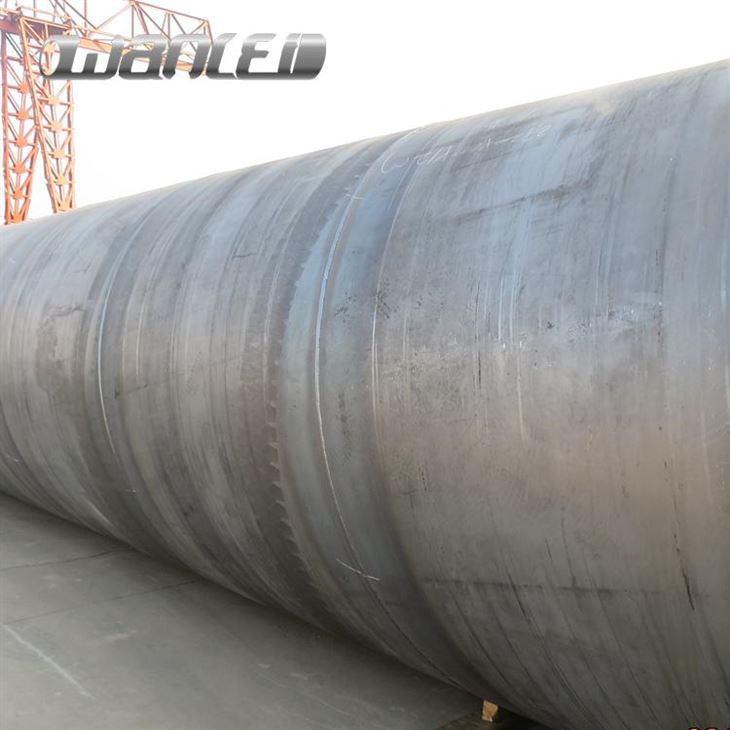
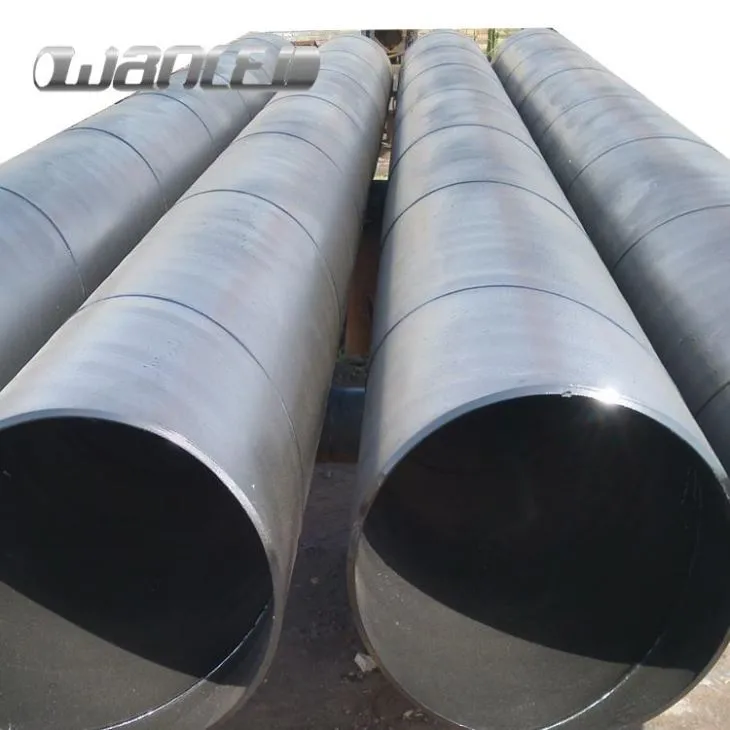
To mitigate these risks, we recommend that our customers store the pipes in a dry and well - ventilated area. If possible, the pipes should be covered with protective materials to prevent direct contact with moisture. During transportation, proper packaging can also help to protect the pipes from the effects of humidity. For example, using moisture - resistant wrapping materials can reduce the risk of corrosion.
Comparison with Other Pipe Types
When comparing the effects of humidity on ERW pipes with other types of pipes, such as SSAW Pipe, there are some similarities and differences. Both types of pipes are made of steel and are therefore susceptible to corrosion in high - humidity environments. However, the manufacturing processes and the resulting structure of the pipes can influence the degree of humidity - related damage.
ERW pipes have a more uniform weld structure compared to SSAW pipes, which may make them less prone to certain types of corrosion. On the other hand, the thin - walled nature of some ERW pipes may make them more vulnerable to rapid corrosion in extremely high - humidity conditions.
Impact on Performance and Applications
The effects of humidity on ERW pipes can have a significant impact on their performance and applications. In applications where the pipes are used for transporting fluids or gases, corrosion can lead to leaks, which can cause environmental pollution, safety hazards, and economic losses.
For example, in the oil and gas industry, ERW pipes are widely used for pipeline transportation. Humidity - induced corrosion can reduce the integrity of the pipelines, increasing the risk of leaks and spills. In building construction, corrosion of ERW pipes used for plumbing systems can lead to water leakage, damage to the building structure, and potential health risks.
Mitigation Strategies
To counter the effects of humidity on ERW pipes, various mitigation strategies can be employed. At the manufacturing stage, applying anti - corrosion coatings is a common practice. These coatings act as a barrier between the pipe surface and the surrounding environment, preventing moisture and oxygen from coming into contact with the steel.
Cathodic protection is another effective method for preventing corrosion. This technique involves applying an electrical current to the pipes to make them the cathode in an electrochemical cell, thereby reducing the rate of corrosion.
In addition to these technical measures, proper maintenance and inspection are essential. Regularly checking the pipes for signs of corrosion, cleaning the pipes, and replacing damaged sections in a timely manner can help to extend the service life of the pipes.
Conclusion
In conclusion, humidity can have a profound impact on ERW pipes, affecting their corrosion resistance, weld quality, and overall performance. As a supplier of ERW pipes, we are committed to understanding these effects and taking proactive measures to ensure the quality of our products. We work closely with our customers to provide them with the best solutions for dealing with the challenges posed by humidity.
If you are in need of high - quality ERW pipes, we invite you to contact us for procurement and further discussions. Our team of experts is ready to assist you in selecting the most suitable pipes for your specific applications and provide you with professional advice on pipe protection and maintenance.
References
- ASM Handbook, Volume 13A: Corrosion: Fundamentals, Testing, and Protection
- ASTM International Standards on Steel Pipes
- NACE International Publications on Corrosion Control