


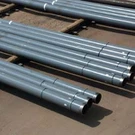


When it comes to the world of industrial piping, understanding the pressure rating of pipes is crucial. As a supplier of JIS (Japanese Industrial Standards) pipes, I often encounter inquiries from clients about the pressure ratings of these pipes. In this blog post, I will delve into the concept of pressure ratings for JIS pipes, explaining what they are, how they are determined, and why they matter in various applications.
What is Pressure Rating?
The pressure rating of a pipe refers to the maximum pressure that the pipe can safely withstand under specific conditions, such as temperature and fluid type. It is an essential parameter that ensures the safe and reliable operation of piping systems. Exceeding the pressure rating of a pipe can lead to catastrophic failures, including leaks, bursts, and even explosions, which can pose significant risks to personnel and property.
Determining Pressure Ratings for JIS Pipes
JIS pipes are manufactured in accordance with Japanese Industrial Standards, which specify the requirements for materials, dimensions, and performance of pipes. The pressure rating of JIS pipes is determined based on several factors, including the pipe material, wall thickness, diameter, and the allowable stress of the material at a given temperature.
Pipe Material
The choice of pipe material plays a significant role in determining its pressure rating. Different materials have different mechanical properties, such as strength and ductility, which affect their ability to withstand pressure. Common materials used for JIS pipes include carbon steel, stainless steel, and alloy steel. Each material has its own set of allowable stresses, which are specified in the relevant JIS standards.
Wall Thickness
The wall thickness of a pipe is another critical factor in determining its pressure rating. Generally, pipes with thicker walls can withstand higher pressures than those with thinner walls. The wall thickness of JIS pipes is specified in the standards based on the pipe diameter and the intended application.
Diameter
The diameter of a pipe also affects its pressure rating. Larger diameter pipes typically have lower pressure ratings than smaller diameter pipes, all other factors being equal. This is because the hoop stress (the stress acting circumferentially around the pipe) increases with the diameter of the pipe.


Temperature
The pressure rating of a pipe is also dependent on the temperature at which it operates. As the temperature increases, the allowable stress of the pipe material decreases, which in turn reduces the pressure rating of the pipe. Therefore, it is important to consider the operating temperature when selecting a pipe with the appropriate pressure rating.
Pressure Rating Classes for JIS Pipes
JIS pipes are classified into different pressure rating classes, which are designated by a numerical code. The most common pressure rating classes for JIS pipes are Class 10K, Class 16K, Class 20K, and Class 30K. These classes represent different levels of pressure resistance, with higher class numbers indicating higher pressure ratings.
Class 10K
Class 10K pipes are designed for low-pressure applications, typically up to 1.0 MPa (145 psi). They are commonly used in water supply systems, drainage systems, and other non-critical applications.
Class 16K
Class 16K pipes have a higher pressure rating than Class 10K pipes, up to 1.6 MPa (232 psi). They are suitable for medium-pressure applications, such as industrial water systems, air conditioning systems, and some chemical processing applications.
Class 20K
Class 20K pipes are designed for higher-pressure applications, up to 2.0 MPa (290 psi). They are commonly used in high-pressure water systems, steam systems, and some oil and gas applications.
Class 30K
Class 30K pipes have the highest pressure rating among the common JIS pipe classes, up to 3.0 MPa (435 psi). They are used in extremely high-pressure applications, such as high-pressure steam systems, hydraulic systems, and some specialized industrial processes.
Importance of Pressure Ratings in Applications
Understanding the pressure rating of JIS pipes is essential for ensuring the safe and efficient operation of piping systems. Here are some key reasons why pressure ratings matter:
Safety
The primary reason for adhering to pressure ratings is safety. Using pipes with a pressure rating that is too low for the application can lead to pipe failures, which can result in injuries, property damage, and environmental contamination. By selecting pipes with the appropriate pressure rating, you can minimize the risk of accidents and ensure the safety of personnel and equipment.
Performance
Pipes that are operating within their pressure rating are more likely to perform reliably over their intended lifespan. Exceeding the pressure rating can cause the pipe to deform, crack, or leak, which can affect the performance of the entire piping system. By using pipes with the correct pressure rating, you can ensure that the system operates efficiently and effectively.
Compliance
In many industries, compliance with pressure ratings is a legal requirement. Regulatory agencies often set standards for the design, installation, and operation of piping systems to ensure public safety and environmental protection. Using pipes with the appropriate pressure rating helps you meet these regulatory requirements and avoid potential legal issues.
Comparing JIS Pipes with Other Standards
It is worth noting that JIS pipes are not the only type of pipes available in the market. There are also other international standards, such as ASTM (American Society for Testing and Materials) and DIN (Deutsches Institut für Normung), which specify the requirements for pipes. Here is a brief comparison of JIS pipes with some common pipe standards:
ASTM Standards
ASTM standards are widely used in the United States and many other countries. ASTM pipes, such as ASTM A53 Seamless Steel Tube and ASTM A369 Carbon Steel Forged Pipe, have their own pressure rating systems, which are based on similar principles as JIS pipes. However, there may be some differences in the specific requirements and allowable stresses between ASTM and JIS standards.
DIN Standards
DIN standards are used primarily in Germany and other European countries. DIN 17173-85 Seamless Circular Tubes are designed to meet the requirements of European industries. Like ASTM and JIS standards, DIN standards also specify the pressure ratings for pipes based on material properties, wall thickness, and other factors.
When selecting pipes for an application, it is important to consider the specific requirements of the project and choose the appropriate standard based on factors such as availability, cost, and compatibility with other components in the system.
Conclusion
In conclusion, the pressure rating of JIS pipes is a critical parameter that determines their suitability for different applications. By understanding the factors that affect pressure ratings and the different pressure rating classes available, you can make informed decisions when selecting JIS pipes for your piping systems. As a JIS pipe supplier, I am committed to providing high-quality pipes that meet or exceed the relevant standards and pressure rating requirements. If you have any questions or need assistance in selecting the right JIS pipes for your project, please do not hesitate to contact me for a professional consultation. We can discuss your specific needs and work together to find the best solutions for your application.
References
- Japanese Industrial Standards (JIS) related to pipes, such as JIS G 3452, JIS G 3454, etc.
- ASTM standards for pipes, such as ASTM A53, ASTM A369.
- DIN standards for pipes, such as DIN 17173-85.