


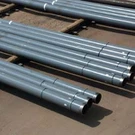


Selecting the appropriate steel tube for a fire sprinkler system is a critical decision that can significantly impact the system's performance, longevity, and overall safety. As a steel tube supplier, I understand the importance of providing accurate information to help customers make informed choices. This blog will guide you through the key factors to consider when choosing the right steel tube for your fire sprinkler system.
System Requirements and Codes
Before diving into the selection process, it's essential to understand the specific requirements of your fire sprinkler system. Different applications, such as commercial, industrial, or residential settings, may have varying demands in terms of flow rate, pressure, and corrosion resistance. Additionally, local building codes and regulations play a crucial role in determining the acceptable materials and installation methods for fire sprinkler systems.
Familiarize yourself with the relevant standards, such as the National Fire Protection Association (NFPA) codes in the United States. These codes provide detailed guidelines on the design, installation, and maintenance of fire sprinkler systems, including specifications for the types of steel tubes that can be used. Adhering to these codes is not only a legal requirement but also ensures the effectiveness of the fire sprinkler system in protecting lives and property.
Material Properties
The material of the steel tube is a fundamental consideration. The most common types of steel used in fire sprinkler systems are carbon steel and stainless steel, each with its own set of properties and advantages.
Carbon Steel
Carbon steel is a popular choice for fire sprinkler systems due to its strength, affordability, and wide availability. It has excellent mechanical properties, making it suitable for withstanding high pressures and stresses. However, carbon steel is prone to corrosion, especially in environments with high humidity, moisture, or exposure to chemicals. To mitigate this issue, carbon steel tubes are often coated with a protective layer, such as zinc (galvanized) or epoxy, to enhance their corrosion resistance.
ASTM A500 is a widely recognized standard for welded and seamless carbon steel structural tubing in rounds and shapes. ASTM A500 Welded And Seamless Carbon Steel Structural Tubing in Rounds And Shapes This standard specifies the chemical composition, mechanical properties, and dimensional tolerances of carbon steel tubes, ensuring their quality and performance in various applications, including fire sprinkler systems.


Stainless Steel
Stainless steel offers superior corrosion resistance compared to carbon steel, making it an ideal choice for fire sprinkler systems in harsh or corrosive environments. It contains chromium, which forms a passive oxide layer on the surface of the steel, protecting it from rust and corrosion. Stainless steel is also resistant to high temperatures, making it suitable for use in areas where fire exposure is a concern.
One type of stainless steel commonly used in fire sprinkler systems is S31803 duplex stainless steel. S31803 Duplex Stainless Steel Pipe Duplex stainless steel combines the advantages of both austenitic and ferritic stainless steels, offering high strength, excellent corrosion resistance, and good weldability. It is particularly suitable for applications where a combination of strength and corrosion resistance is required.
Tube Size and Wall Thickness
The size and wall thickness of the steel tube are crucial factors that affect the performance of the fire sprinkler system. The tube size determines the flow rate of water through the system, while the wall thickness affects the tube's ability to withstand pressure and mechanical stress.
The appropriate tube size depends on the design requirements of the fire sprinkler system, including the number of sprinkler heads, the distance between them, and the required flow rate. A larger tube size generally allows for a higher flow rate, but it also increases the cost and space requirements. On the other hand, a smaller tube size may limit the flow rate and reduce the effectiveness of the fire sprinkler system.
The wall thickness of the steel tube is determined by the operating pressure of the system and the mechanical loads it will be subjected to. A thicker wall provides greater strength and resistance to pressure, but it also increases the weight and cost of the tube. It is important to select a tube with a wall thickness that is sufficient to withstand the expected pressure and stress without being overly thick.
Seamless vs. Welded Tubes
Steel tubes can be either seamless or welded, and each type has its own advantages and disadvantages.
Seamless Tubes
Seamless tubes are manufactured without a weld seam, resulting in a uniform and continuous structure. This makes them stronger and more resistant to leaks and corrosion compared to welded tubes. Seamless tubes are also available in a wider range of sizes and wall thicknesses, making them suitable for a variety of applications. However, seamless tubes are generally more expensive than welded tubes due to the more complex manufacturing process.
30 Inch Seamless Steel Pipes are an example of seamless tubes that can be used in large-scale fire sprinkler systems where high flow rates and high pressures are required.
Welded Tubes
Welded tubes are manufactured by welding together two or more pieces of steel. They are more cost-effective than seamless tubes and are available in a wide range of sizes and shapes. However, the weld seam can be a potential weak point, especially if the welding process is not properly controlled. Welded tubes may also be more prone to corrosion at the weld seam if not properly protected.
Corrosion Resistance
Corrosion is a major concern in fire sprinkler systems, as it can reduce the effectiveness of the system and lead to premature failure. To ensure long-term performance, it is important to select a steel tube with adequate corrosion resistance.
As mentioned earlier, carbon steel tubes are often coated with a protective layer to enhance their corrosion resistance. Galvanized carbon steel tubes are coated with a layer of zinc, which provides a sacrificial barrier against corrosion. Epoxy-coated carbon steel tubes are coated with a layer of epoxy resin, which provides a more durable and chemical-resistant barrier.
Stainless steel tubes, on the other hand, have inherent corrosion resistance due to the presence of chromium. However, the level of corrosion resistance can vary depending on the grade of stainless steel and the environment in which it is used. It is important to select a stainless steel grade that is suitable for the specific application and environment.
Cost Considerations
Cost is an important factor in any purchasing decision, and the cost of the steel tube is no exception. The cost of the tube depends on several factors, including the material, size, wall thickness, and manufacturing process.
Carbon steel tubes are generally more affordable than stainless steel tubes, but they may require additional maintenance and replacement over time due to corrosion. Stainless steel tubes are more expensive upfront, but they offer longer service life and lower maintenance costs in the long run.
It is important to consider the total cost of ownership when selecting a steel tube for your fire sprinkler system. This includes not only the initial purchase price but also the cost of installation, maintenance, and replacement over the life of the system.
Conclusion
Choosing the right steel tube for a fire sprinkler system is a complex decision that requires careful consideration of several factors, including system requirements, material properties, tube size and wall thickness, seamless vs. welded tubes, corrosion resistance, and cost. As a steel tube supplier, I am committed to providing high-quality products and expert advice to help you make the best choice for your fire sprinkler system.
If you have any questions or need further assistance in selecting the right steel tube for your fire sprinkler system, please do not hesitate to contact us. Our team of experts is ready to help you find the perfect solution for your needs.
References
- National Fire Protection Association (NFPA). NFPA 13: Standard for the Installation of Sprinkler Systems.
- American Society for Testing and Materials (ASTM). ASTM A500: Standard Specification for Cold-Formed Welded and Seamless Carbon Steel Structural Tubing in Rounds and Shapes.
- Various industry publications and technical resources on fire sprinkler systems and steel tube selection.