




Can GI pipes be used in oil and gas pipelines?
When it comes to oil and gas pipelines, the choice of pipe material is of paramount importance. As a supplier of GI (Galvanized Iron) pipes, I am often asked whether these pipes can be used in oil and gas transportation systems. In this blog post, I will delve into the properties of GI pipes, evaluate their suitability for oil and gas pipelines, and discuss the associated advantages and limitations.
1. Understanding GI Pipes
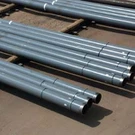
GI pipes are steel pipes that have been coated with a layer of zinc through a hot - dip galvanizing process. This zinc coating serves as a protective barrier, preventing the underlying steel from coming into contact with oxygen and moisture, which are the primary causes of corrosion. The galvanizing process involves immersing the steel pipes in a bath of molten zinc, where a metallurgical bond is formed between the zinc and the steel surface.
We offer a variety of GI pipes, including GB/T3091 Galvanized ERW Steel Pipe, Galvanized Scaffolding Pipe, and BS1139 Galvanized Steel Pipe For Scaffolding Tube. These pipes have different specifications and are used in various applications, but their common feature is the galvanized coating that provides corrosion resistance.
2. Advantages of Using GI Pipes in Oil and Gas Pipelines
- Corrosion Resistance: The primary advantage of GI pipes is their excellent corrosion resistance. Oil and gas are often transported in challenging environments, where pipelines are exposed to water, soil moisture, and various chemicals. The zinc coating on GI pipes acts as a sacrificial anode, corroding in place of the steel. This significantly extends the service life of the pipes and reduces the risk of pipeline failure due to corrosion.
- Cost - Effectiveness: Compared to some high - alloy or specialized corrosion - resistant pipes, GI pipes are relatively inexpensive. For small - to - medium - scale oil and gas projects, or in regions where cost is a major concern, GI pipes can provide a cost - effective solution without sacrificing too much in terms of performance.
- Ease of Installation: GI pipes are easy to cut, weld, and assemble. They are available in standard sizes and lengths, which simplifies the installation process. This can lead to faster project completion times and lower labor costs.
3. Limitations of Using GI Pipes in Oil and Gas Pipelines
- Temperature and Pressure Limitations: GI pipes have limitations in terms of the temperature and pressure they can withstand. In high - temperature and high - pressure oil and gas applications, the zinc coating may degrade, and the steel may not have the required strength. For example, in pipelines transporting super - heated oil or high - pressure natural gas, the use of GI pipes may not be suitable, and more robust materials like stainless steel or alloy steel pipes should be considered.
- Compatibility with Oil and Gas Compositions: Some oil and gas compositions may contain corrosive substances such as hydrogen sulfide (H₂S), carbon dioxide (CO₂), and acids. These substances can react with the zinc coating and the underlying steel, causing accelerated corrosion. In sour gas fields, where H₂S is present, special anti - corrosion measures need to be taken, and GI pipes may require additional protection or may not be the best choice at all.
- Long - Term Durability in Harsh Environments: While the zinc coating provides good corrosion resistance, in extremely harsh environments such as deep - sea oil and gas operations or areas with high soil acidity, the zinc coating may wear off over time. This can lead to corrosion of the underlying steel and ultimately pipeline failure.
4. Applications where GI Pipes can be Used in Oil and Gas
- Low - Pressure and Low - Temperature Applications: GI pipes can be used in low - pressure and low - temperature oil and gas transportation systems. For example, in some on - shore oil well gathering lines where the pressure and temperature are relatively mild, GI pipes can be a viable option. These pipelines typically carry oil and gas from the wellhead to the processing facilities over short distances.
- Water Injection Pipelines: In oil and gas production, water injection is a common technique used to maintain reservoir pressure. GI pipes can be used in water injection pipelines as long as the injected water is properly treated to minimize corrosion. The zinc coating on the pipes can protect against the corrosion caused by the injected water.
- Non - Critical and Temporary Pipelines: For non - critical or temporary oil and gas pipelines, such as those used during exploration or in short - term production projects, GI pipes can be a practical choice. Their low cost and ease of installation make them suitable for these applications.
5. Considerations for Using GI Pipes in Oil and Gas Pipelines
- Coating Thickness: The thickness of the zinc coating on GI pipes is an important factor. A thicker coating provides better corrosion resistance but may also increase the cost. The appropriate coating thickness should be selected based on the specific environmental conditions and the expected service life of the pipeline.
- Quality Control: Strict quality control measures should be implemented during the manufacturing and installation of GI pipes. This includes ensuring the proper adhesion of the zinc coating, checking the pipe dimensions and wall thickness, and conducting non - destructive testing to detect any defects.
- Monitoring and Maintenance: Regular monitoring and maintenance are essential for GI pipes used in oil and gas pipelines. This can involve inspecting the pipes for signs of corrosion, checking the integrity of the coating, and performing necessary repairs or replacements in a timely manner.
6. Conclusion
In conclusion, GI pipes can be used in certain oil and gas pipeline applications, especially those with low - pressure, low - temperature, and relatively mild environmental conditions. Their corrosion resistance, cost - effectiveness, and ease of installation make them an attractive option for some projects. However, they also have limitations in terms of temperature, pressure, and compatibility with certain oil and gas compositions.
If you are considering using GI pipes in your oil and gas pipeline project, or if you have any questions regarding the suitability of our products, feel free to contact us for in - depth discussions and customized solutions. We are committed to providing high - quality GI pipes and professional technical support to meet your specific needs.


References
- American Petroleum Institute (API). API Standards for Pipeline Construction.
- National Association of Corrosion Engineers (NACE). Corrosion Control in Oil and Gas Industry.
- Galvanizers Association. Handbook on Galvanized Steel.