


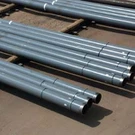


Hey there! I'm a supplier of round pipes, and I often get asked about the special requirements for storing these pipes. Well, let me tell you, it's not as simple as just stacking them up in a corner. There are several factors to consider to ensure the pipes stay in top - notch condition.
First off, the storage environment plays a huge role. Round pipes are usually made of metal, and metal is susceptible to corrosion. So, it's crucial to store them in a dry place. Moisture is the enemy here. If the pipes are exposed to damp conditions for too long, they can start to rust. Rust not only makes the pipes look bad but also weakens their structural integrity. For example, our API 5L X42 PSL2 Seamless Line Pipe is designed for high - pressure applications, and any rust could compromise its performance.
I'd recommend storing the pipes indoors if possible. A warehouse with proper ventilation is ideal. Ventilation helps to keep the air dry and prevents the build - up of humidity. But if indoor storage isn't an option, you can still use outdoor storage. Just make sure to cover the pipes with waterproof tarps. These tarps should be securely fastened so that they don't blow off in strong winds. And don't forget to elevate the pipes off the ground. You can use wooden pallets or steel supports. This prevents direct contact with the ground, which may be damp or contaminated.
Another important aspect is the way the pipes are stacked. You can't just pile them up haphazardly. The stack should be stable to prevent the pipes from rolling or collapsing. For smaller diameter pipes, you can stack them in a criss - cross pattern. This provides better stability. Larger diameter pipes may require special stacking frames or racks. The height of the stack also matters. You don't want to stack the pipes too high, as this can increase the risk of collapse. A good rule of thumb is to keep the stack height within a reasonable limit based on the pipe's size and the strength of the storage structure.
When it comes to different types of round pipes, there are some specific considerations. Take our ASTM A179 Seamless Cold - Drawn Low - Carbon Steel Heat - Exchanger And Condenser Tubes. These tubes are used in heat - transfer applications, and their inner surfaces need to be kept clean. So, when storing them, you should protect them from dust and debris. You can use end caps to seal the tube ends. This not only keeps out dirt but also prevents moisture from getting inside the tubes.
For structural pipes like the S355J2H Structural Hollow Section Steel Pipe, alignment is key. They should be stored in a way that maintains their straightness. Any bending or distortion during storage can affect their performance when used in construction projects. You can use supports at regular intervals along the length of the pipes to keep them straight.
It's also important to label the pipes properly. This helps in easy identification and inventory management. You can use tags or paint markings to indicate the pipe's size, grade, and other relevant information. This way, when a customer asks for a specific type of pipe, you can quickly locate it.
In addition to the physical storage conditions, you need to consider the chemical environment. Some chemicals in the air or on the ground can react with the pipe material. For example, in industrial areas where there are high levels of sulfur dioxide or other pollutants, extra precautions are needed. You may need to use anti - corrosion coatings on the pipes or store them in a more controlled environment.
Temperature can also have an impact on the pipes. Extreme cold can make the metal brittle, while extreme heat can cause expansion. If possible, try to store the pipes in an environment where the temperature is relatively stable. Avoid storing them near heat sources like furnaces or in direct sunlight for long periods.
Now, let's talk about long - term storage. If you're planning to store the pipes for an extended period, you may need to perform regular inspections. Check for signs of corrosion, damage, or any other issues. You can also apply a thin layer of protective oil on the pipe surfaces to prevent rust. This oil can be easily removed before the pipes are used.
When it comes to moving the pipes in and out of storage, be careful. Use proper lifting equipment like cranes or forklifts. Make sure the lifting points are correctly positioned to avoid damaging the pipes. And always follow the safety guidelines during the handling process.

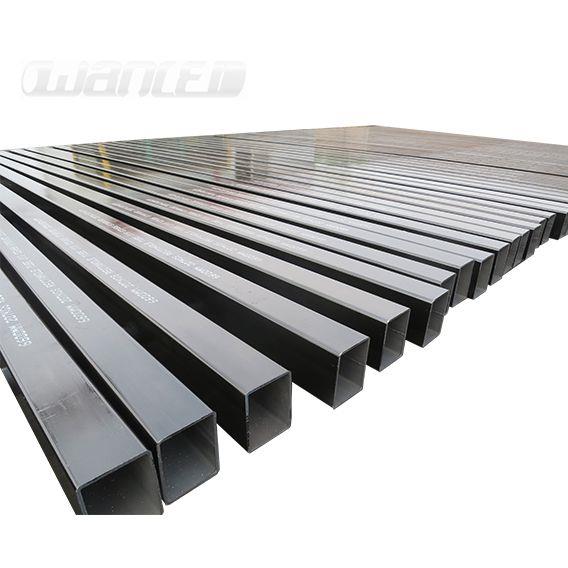
In conclusion, storing round pipes requires careful attention to various factors. From the storage environment to the stacking method, each aspect plays a crucial role in maintaining the quality of the pipes. If you're in the market for high - quality round pipes, whether it's the API 5L X42 PSL2 Seamless Line Pipe, ASTM A179 Seamless Cold - Drawn Low - Carbon Steel Heat - Exchanger And Condenser Tubes, or S355J2H Structural Hollow Section Steel Pipe, we've got you covered. If you have any questions or want to discuss your specific requirements, don't hesitate to reach out. We're here to help you make the right choice for your projects.
References
- Steel Construction Manual, American Institute of Steel Construction
- Handbook of Corrosion Engineering, McGraw - Hill