Steel Pipe Storage
Steel pipes are a vital component in infrastructure projects, and proper storage is essential. This ensures that the pipes are in good condition when needed, saving both time and money.
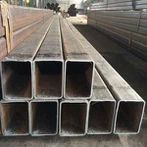
1. Steel pipes shall not be directly stacked on the ground, steel plates, or cement floors. To avoid moisture and pollution of the steel pipes, the distance between the first layer of steel pipes (or pipe bundles) and the ground should not be less than 0.20m.
2. Steel pipes should be placed on designated shelves or pallets according to different furnace numbers, batch numbers, varieties, and specifications. Steel pipes with the same (or similar) specifications are not allowed to be stored in the same material rack or stacking position. If pipes with the same furnace number and different batch numbers are stacked on the same material rack or stacking position, reliable methods should be adopted to prevent mixing of furnace numbers and batch numbers.The stacks should be stable, and there should be proper clearance between stacks to prevent damage during storage or retrieval.
3. Proper labeling is necessary to ensure easy identification and retrieval of the pipes. The labeling should include relevant information, such as size, length, and type of pipe, and should be placed where it can be easily read.
4. Steel pipes (or pipe bundles) should be placed on racks with appropriate spacing and on the same horizontal plane. Steel pipes should be neatly stacked and kept parallel to the rack. Steel pipes should be symmetrically placed according to the center of the pipe stack and should not be placed diagonally or on the ground.
5. Storage standards for steel pipes require the site to be dry and well-ventilated, preventing rust and corrosion. The pipes should never be stored directly on the ground but be raised off the surface with proper support to prevent deformation. There should be no debris between the pipes, inside the pipes, or around the material rack, and hygiene should be maintained. In addition, regular inspections of the stored steel pipes can detect any issues early, preventing further damage. Inspections should include checks for rust, corrosion, cracks, and deformations.
In conclusion, proper storage of steel pipes is essential for maintaining their quality and condition. By adhering to storage standards, we ensure that steel pipes are always available when needed and play a vital role in infrastructure development.
Storage Photo