


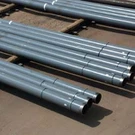


Hey there, folks! I'm a supplier of metal tubes, and I've seen all sorts of these bad boys in my time. Today, I wanna chat about the strength of different metal tubes. It's not just about knowing what's out there; it's about choosing the right one for your specific needs. Let's dive right in!
Steel Tubes: The Heavy - Hitters
Steel tubes are like the superheroes of the metal tube world. They're incredibly popular and for good reason. First off, there's carbon steel. This stuff is everywhere. It's strong, durable, and can handle a lot of stress. Whether you're building a skyscraper or a simple fence, carbon steel tubes can get the job done.
The strength of carbon steel tubes comes from the carbon content. Higher carbon means more strength, but it also makes the tubes a bit more brittle. So, it's a balance. For construction applications, medium - carbon steel tubes are often a great choice. They've got enough strength to support heavy loads without being too brittle.


Then there's stainless steel. Oh, man, this is a game - changer. Stainless steel tubes are resistant to corrosion, which means they can last a long time even in harsh environments. Marine applications absolutely love stainless steel tubes. You know, on boats or in offshore platforms where the saltwater can eat away at regular metals.
The strength of stainless steel comes from its alloying elements like chromium and nickel. These elements form a protective layer on the surface of the tube, preventing rust and corrosion. And let me tell you, a tube that doesn't rust is a tube that keeps its strength over time.
Speaking of different standards, if you're looking for a top - quality option, check out ASTM A500 Rectangular Structural Tube. These tubes are designed for structural applications and meet strict industry standards. They're tough as nails and can be used in everything from building frames to bridges.
Aluminum Tubes: The Lightweight Champions
Now, let's talk about aluminum tubes. These babies are lightweight but still pack a punch. Aluminum has a high strength - to - weight ratio, which means you get a lot of strength without a lot of weight. This makes aluminum tubes perfect for applications where weight is a concern, like in the aerospace industry.
Airplanes use a ton of aluminum tubes. Why? Well, every extra pound of weight means more fuel consumption. So, by using aluminum tubes, they can build strong structures while keeping the weight down. And let's not forget about the transportation industry. Trucks, trains, and even cars can benefit from the use of aluminum tubes.
But aluminum isn't just for high - tech stuff. You can also find it in everyday items like bicycles. Aluminum tubes make the bike lightweight and easy to maneuver, without sacrificing too much strength.
One thing to keep in mind with aluminum tubes, though, is that they're not as strong as steel tubes in terms of raw power. But if you're looking for a balance between weight and strength, they're a great option.
Copper Tubes: The Versatile Ones
Copper tubes are another interesting option. They're known for their excellent thermal and electrical conductivity. But they also have some decent strength. Copper is a soft metal, but when it's made into tubes, it can handle a fair amount of pressure.
In plumbing systems, copper tubes are a staple. They can withstand the pressure of water flowing through them and are resistant to corrosion from water. This makes them a reliable choice for both residential and commercial plumbing.
Copper tubes are also used in HVAC systems. The ability to conduct heat well means they can transfer heat efficiently, which is crucial for heating and cooling systems.
If you're in the market for a specific type of welded steel pipe, take a look at API 5L PSL2 X52 ERW Steel Pipe. This pipe meets the API 5L standards and is suitable for a variety of pipeline applications. It's got the strength and quality to ensure a long - lasting and reliable pipeline.
Other Metal Tubes
There are also other metal tubes out there, like brass tubes. Brass is an alloy of copper and zinc, and it combines the best of both worlds. It's got good strength, is corrosion - resistant, and has a nice aesthetic appeal. You'll often find brass tubes in decorative applications, but they can also be used in plumbing and electrical work.
Titanium tubes are on a whole other level. They're extremely strong and lightweight, even more so than aluminum. Titanium is also highly resistant to corrosion and can withstand high temperatures. However, it's also more expensive, so it's usually used in high - end applications like aerospace and medical implants.
Factors Affecting Tube Strength
Now, the strength of a metal tube isn't just determined by the type of metal. There are a few other factors at play. One of the big ones is the wall thickness. Generally speaking, the thicker the wall of the tube, the stronger it is. A thicker wall can handle more stress and pressure without deforming.
The shape of the tube also matters. Round tubes are great for withstanding pressure from all directions. They distribute the stress evenly around the circumference. Rectangular or square tubes, on the other hand, are better for applications where you need flat surfaces for connection or support.
And then there's the manufacturing process. Welded tubes, like the JIS G3457 Welded Steel Pipes With Zinc Phosphate Primer, are made by welding the edges of a metal sheet together. The quality of the weld can affect the strength of the tube. Seamless tubes, on the other hand, are made from a solid piece of metal and don't have a weld seam, which can sometimes make them stronger.
Choosing the Right Metal Tube
When it comes to choosing the right metal tube for your project, there are a few things you need to think about. First, consider the application. What's the tube going to be used for? If it's for a structural application, you'll need a tube with high strength and good load - bearing capacity.
Next, think about the environment. Will the tube be exposed to the elements? If so, you'll want a tube that's resistant to corrosion. Stainless steel or aluminum might be a good choice in this case.
Also, don't forget about the budget. Some metals, like titanium, are more expensive than others. You'll need to find a balance between the strength you need and what you can afford.
Wrapping It Up
Well, there you have it, folks. A rundown of the strength of different metal tubes. Whether you're building a skyscraper, a bicycle, or a simple plumbing system, there's a metal tube out there that's perfect for your needs.
If you're interested in learning more about our metal tube products or are ready to start a purchase, don't hesitate to reach out for a chat. We're here to help you find the right tube for your project. Let's work together to get your job done right!
References
- "Metals Handbook: Properties and Selection: Irons, Steels, and High - Performance Alloys," ASM International
- "The Aluminum Association Handbook," The Aluminum Association
- "Copper Development Association Technical Guides," Copper Development Association