


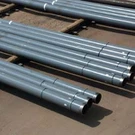


Scale buildup in metal pipes is a common issue that can lead to reduced efficiency, increased energy consumption, and even premature pipe failure. As a trusted metal pipe supplier, we understand the challenges posed by scale and are committed to providing solutions. In this blog, we'll explore various methods to remove scale from metal pipes, ensuring their optimal performance and longevity.
Understanding Scale in Metal Pipes
Before delving into removal methods, it's essential to understand what scale is and how it forms. Scale is a hard, crusty deposit that accumulates on the inner surface of metal pipes over time. It is primarily composed of minerals such as calcium carbonate, magnesium carbonate, and iron oxide, which are present in water or other fluids flowing through the pipes. Factors like high water hardness, elevated temperatures, and chemical reactions can accelerate scale formation.
The presence of scale can have several negative impacts on metal pipes. It restricts the flow of fluids, leading to reduced water pressure and decreased efficiency in heating or cooling systems. Scale also acts as an insulator, reducing heat transfer and increasing energy consumption. Additionally, it can cause corrosion and pitting, weakening the pipe structure and increasing the risk of leaks and failures.
Mechanical Methods of Scale Removal
One of the most straightforward ways to remove scale from metal pipes is through mechanical means. These methods involve physically scraping or brushing the scale off the pipe walls.
Pipe Scraping
Pipe scraping is a manual method that involves using a specialized scraping tool to remove scale from the inner surface of the pipe. This tool typically consists of a long, flexible rod with a scraping head at one end. The scraping head is inserted into the pipe and moved back and forth to dislodge the scale. Pipe scraping is suitable for small to medium-sized pipes and can be effective for removing thick layers of scale. However, it requires significant manual labor and may not be suitable for pipes with complex shapes or hard-to-reach areas.
Pipe Brushing
Pipe brushing is another mechanical method that uses a wire brush or a nylon brush to remove scale from the pipe walls. The brush is attached to a drill or a motorized device and inserted into the pipe. As the brush rotates, it scrubs the scale off the surface. Pipe brushing is a relatively quick and easy method that can be used for both small and large pipes. It is also effective for removing loose or flaky scale. However, it may not be as effective for removing hard or stubborn scale.
High-Pressure Water Jetting
High-pressure water jetting is a more advanced mechanical method that uses a high-pressure water stream to remove scale from the pipe walls. The water is pumped through a specialized nozzle at pressures ranging from 1,000 to 40,000 psi (pounds per square inch). The high-pressure water stream creates a powerful force that can dislodge and remove even the toughest scale deposits. High-pressure water jetting is suitable for a wide range of pipe sizes and materials and can be used for both internal and external scale removal. It is also a relatively environmentally friendly method as it does not use any chemicals. However, it requires specialized equipment and trained operators and can be expensive.
Chemical Methods of Scale Removal
Chemical methods involve using chemicals to dissolve or loosen the scale deposits. These methods are often more effective for removing hard or stubborn scale than mechanical methods.
Acid Cleaning
Acid cleaning is a common chemical method that uses acids such as hydrochloric acid, sulfuric acid, or phosphoric acid to dissolve the scale. The acid is mixed with water and circulated through the pipe for a specific period of time. The acid reacts with the scale, breaking it down into soluble compounds that can be flushed out of the pipe. Acid cleaning is effective for removing a wide range of scale deposits, including calcium carbonate, magnesium carbonate, and iron oxide. However, it requires careful handling and safety precautions as acids are corrosive and can cause damage to the pipe and the environment if not used properly.
Alkaline Cleaning
Alkaline cleaning is another chemical method that uses alkaline solutions such as sodium hydroxide or potassium hydroxide to remove scale from metal pipes. The alkaline solution is circulated through the pipe for a specific period of time, causing the scale to dissolve or loosen. Alkaline cleaning is suitable for removing scale deposits that are resistant to acid cleaning, such as silica and aluminum oxide. It is also less corrosive than acid cleaning and can be used on a wider range of pipe materials. However, it may not be as effective for removing calcium carbonate and magnesium carbonate scale.
Chelating Agents
Chelating agents are chemicals that can bind to metal ions in the scale and form soluble complexes. These complexes can then be flushed out of the pipe. Chelating agents are often used in combination with other chemical cleaning methods to enhance their effectiveness. They are less corrosive than acids and alkalis and can be used on a wider range of pipe materials. However, they are more expensive and may require longer cleaning times.
Chemical Methods of Scale Removal
Chemical methods involve using chemicals to dissolve or loosen the scale deposits. These methods are often more effective for removing hard or stubborn scale than mechanical methods.
Acid Cleaning
Acid cleaning is a common chemical method that uses acids such as hydrochloric acid, sulfuric acid, or phosphoric acid to dissolve the scale. The acid is mixed with water and circulated through the pipe for a specific period of time. The acid reacts with the scale, breaking it down into soluble compounds that can be flushed out of the pipe. Acid cleaning is effective for removing a wide range of scale deposits, including calcium carbonate, magnesium carbonate, and iron oxide. However, it requires careful handling and safety precautions as acids are corrosive and can cause damage to the pipe and the environment if not used properly.
Alkaline Cleaning
Alkaline cleaning is another chemical method that uses alkaline solutions such as sodium hydroxide or potassium hydroxide to remove scale from metal pipes. The alkaline solution is circulated through the pipe for a specific period of time, causing the scale to dissolve or loosen. Alkaline cleaning is suitable for removing scale deposits that are resistant to acid cleaning, such as silica and aluminum oxide. It is also less corrosive than acid cleaning and can be used on a wider range of pipe materials. However, it may not be as effective for removing calcium carbonate and magnesium carbonate scale.
Chelating Agents
Chelating agents are chemicals that can bind to metal ions in the scale and form soluble complexes. These complexes can then be flushed out of the pipe. Chelating agents are often used in combination with other chemical cleaning methods to enhance their effectiveness. They are less corrosive than acids and alkalis and can be used on a wider range of pipe materials. However, they are more expensive and may require longer cleaning times.
Preventive Measures to Reduce Scale Formation
While scale removal is important, preventing scale formation in the first place is even better. Here are some preventive measures you can take to reduce scale buildup in your metal pipes:
Water Softening
Water softening is a process that removes calcium and magnesium ions from the water, reducing its hardness. This can significantly reduce scale formation in metal pipes. Water softeners typically use ion exchange resins to remove the hard water ions and replace them with sodium ions. There are different types of water softeners available, including salt-based and salt-free models.
Chemical Treatment
Chemical treatment involves adding chemicals to the water to prevent scale formation. These chemicals can include scale inhibitors, corrosion inhibitors, and pH adjusters. Scale inhibitors work by preventing the precipitation of minerals in the water, while corrosion inhibitors protect the pipe from corrosion. pH adjusters can be used to maintain the water at a neutral pH, which can reduce the likelihood of scale formation.
Regular Maintenance
Regular maintenance of your plumbing system is essential to prevent scale buildup. This includes flushing the pipes regularly to remove any loose scale or debris, checking the water pressure and temperature, and inspecting the pipes for signs of corrosion or damage. By identifying and addressing any issues early on, you can prevent scale from forming and extend the lifespan of your pipes.


Choosing the Right Metal Pipe to Minimize Scale Issues
As a metal pipe supplier, we offer a wide range of pipes that are designed to minimize scale issues. Our API 5L X42 PSL2 Pipeline Pipe is a high-quality pipe that is suitable for various applications, including oil and gas pipelines. It is made from high-strength steel and has excellent corrosion resistance, which can help reduce scale formation.
Our Black Carbon Steel Pipe is another popular option that is known for its durability and affordability. It is suitable for a wide range of applications, including water supply, drainage, and heating systems. The black carbon steel surface provides a certain degree of protection against scale and corrosion.
For applications that require high precision and performance, our EN10297 Non Alloy Seamless Circular Steel Tubes are an excellent choice. These tubes are made from non-alloy steel and have a smooth inner surface, which reduces the likelihood of scale buildup. They are commonly used in mechanical engineering, automotive, and construction industries.
Conclusion
Scale buildup in metal pipes is a common problem that can have significant negative impacts on the performance and longevity of your plumbing system. By understanding the causes and effects of scale and using the appropriate removal and prevention methods, you can keep your pipes clean and functioning properly. As a metal pipe supplier, we are committed to providing high-quality pipes and expert advice to help you solve your scale issues. If you have any questions or need assistance with choosing the right pipe or scale removal method, please don't hesitate to contact us. We look forward to working with you to ensure the optimal performance of your plumbing system.
References
- ASME Boiler and Pressure Vessel Code, Section VIII, Division 1.
- ASTM International Standards for Steel Pipes and Tubes.
- Water Quality Association (WQA) Guidelines for Water Treatment.
- National Association of Plumbing-Heating-Cooling Contractors (PHCC) Standards and Practices.