




Can I Buy GI Pipe for Textile Applications?
Hey there! I'm a supplier of GI pipes, and I often get asked if these pipes can be used in textile applications. So, today, I'm diving into this topic to give you the low - down on whether buying GI pipes for textiles is a good idea or not.
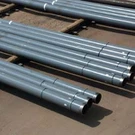
First off, let's understand what GI pipes are. GI stands for Galvanized Iron. These pipes are made of steel or iron that's been coated with a layer of zinc. The zinc coating acts as a shield, protecting the underlying metal from corrosion. It's kind of like a suit of armor for the pipe!
Now, let's talk about textile applications. The textile industry has all sorts of needs, from machinery support structures to conveyor systems and even piping for water and chemical solutions used in the dyeing and finishing processes.
Advantages of Using GI Pipes in Textiles
One of the biggest perks of GI pipes in textile applications is their durability. The zinc coating on these pipes makes them highly resistant to rust and corrosion. In textile factories, where there might be exposure to moisture, chemicals, and humidity, this is a huge plus. For instance, in the dyeing section, where pipes are constantly in contact with water and various dyes, a corrosion - resistant pipe like a GI pipe will last much longer than an uncoated one.
Another advantage is their strength. GI pipes can handle a fair amount of weight and pressure. This is useful for building support structures for large textile machines. You don't want a flimsy pipe that's going to bend or break under the weight of heavy equipment. GI pipes provide the necessary stability and can keep your machinery in place.
Cost - effectiveness is also a factor. Compared to some other types of corrosion - resistant pipes, GI pipes are relatively affordable. This is great news for textile manufacturers who are looking to keep their production costs down without sacrificing quality.
Potential Drawbacks
However, it's not all sunshine and rainbows. One potential issue with using GI pipes in textile applications is the possibility of zinc leaching. In some chemical - rich environments, the zinc coating might start to break down and leach into the water or chemicals flowing through the pipes. This could potentially contaminate the textile products, especially if they are sensitive to metal ions.
Also, while GI pipes are strong, they might not be the best choice for applications that require extreme precision. For example, in some high - tech textile machinery, the slightest deviation in pipe dimensions can cause problems. GI pipes might have some slight variations in their diameter and wall thickness, which could be an issue in these cases.
Types of GI Pipes Suitable for Textiles
When it comes to choosing the right GI pipe for textile applications, there are a few options.


The Hot Dipped Galvanized Steel Round Tube For Water Supply is a great choice for water - related applications in the textile industry. This type of pipe has a thick and uniform zinc coating, which provides excellent corrosion protection. It's commonly used in water supply lines for dyeing, washing, and rinsing processes.
The Carbon Seamless Steel Galvanized Round Structure Pipe is ideal for building support structures. The seamless design gives it extra strength, and the galvanized coating keeps it from rusting. Whether it's supporting a large weaving machine or a conveyor system, this pipe can get the job done.
The JIS G3452 Hot Dipped Galvanized Steel Pipes are another option. These pipes meet specific Japanese industrial standards, ensuring high - quality and consistent performance. They can be used in a variety of textile applications, from water and chemical transport to structural support.
Installation and Maintenance
Proper installation is crucial when using GI pipes in textile applications. Make sure the pipes are installed correctly, with proper fittings and supports. Any loose connections can lead to leaks, especially in water - carrying pipes.
Maintenance of GI pipes is relatively simple. Regular inspections to check for signs of corrosion or damage are important. If you notice any areas where the zinc coating is starting to wear off, you can touch it up with a zinc - rich paint. This will help extend the life of the pipe.
Conclusion
So, can you buy GI pipes for textile applications? The answer is yes, in many cases. They offer a good balance of durability, strength, and cost - effectiveness. But like any material, they have their limitations. Before making a decision, it's important to consider the specific requirements of your textile application, and evaluate whether the advantages of GI pipes outweigh the potential drawbacks.
If you're interested in buying GI pipes for your textile business, I'd love to talk to you. We can discuss your needs in detail and find the perfect pipes for your application. Don't hesitate to reach out and start the conversation about how we can work together to meet your requirements.
References
- General knowledge of the steel and textile industries
- Product specifications and industry standards related to GI pipes