


What are the pipe fittings?
Steel pipe fittings come in a wide variety, serving as the building blocks for constructing complete piping systems. They are responsible for connecting, redirecting, branching, reducing or enlarging pipe diameters, controlling flow, and ensuring sealing.
Classified by primary function
1. Connecting fittings
2. Direction-changing fittings
3. Branch and diverging fittings
4. Reducing fittings
5. Blocking fittings
Classified by connection method
Another highly significant classification method determines the installation approach and applicable scenarios for pipe fittings.
|
Connection method |
Characteristics |
Common pipe fittings |
|
Butt welding |
Highest strength and best sealing, suitable for high-temperature, high-pressure, and highly toxic media. Non-removable. |
Butt-welded elbows, tees, reducers, pipe caps |
|
Socket welding |
Insert the pipe into the socket of the pipe fitting and weld it. High strength, suitable for small diameters. Non-detachable. |
Socket weld pipe fittings |
|
Threaded connection |
Connected via threaded joints. Removable for easy installation, though offering inferior sealing properties. Suitable for low-pressure, non-critical pipelines. |
Threaded elbows, tees, pipe clamps, union joints, threaded plugs |
|
Flange connection |
The standard method for detachable connections. High strength, reliable sealing, and convenient for maintenance. |
Various flanges (including flanged elbows, tees, etc.) |
|
Clamp connection |
Quick-connect fittings facilitate installation and removal but offer lower pressure resistance. They are commonly used in firefighting and water supply systems. |
Grooved pipe fittings |
Summary
When selecting steel pipe fittings, the following core factors must be comprehensively considered:
Function, connection method, material, pressure rating, standard.
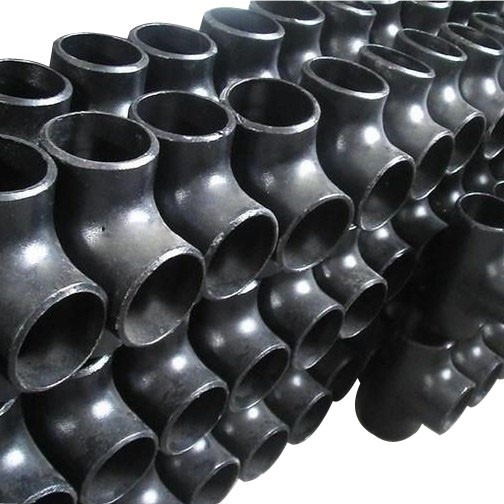
We are able to provide high quality pipe fittings according to customers' needs and look forward to your purchase.


