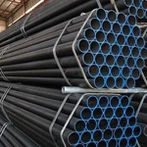
The impact US cut interest rate on the steel industry is mainly reflected in the following aspects:
1. Boosting demand: The Federal Reserve's interest rate cuts usually mean a reduction in funding costs, which will stimulate economic growth and investment activity, especially in areas such as infrastructure construction and manufacturing. As investment in these fields increases, the demand for commodities such as steel will also correspondingly rise, which is beneficial for the sales of the steel industry.
2. Cost impact: Interest rate cuts may trigger currency depreciation worldwide. For steel companies that rely on imported raw materials such as iron ore, if the RMB appreciates relative to the US dollar, it will reduce import costs and improve the profitability of steel companies. However, this may also lead to an increase in the cost of steel exports, affecting export competitiveness.
3. Market expectation: The expectation of interest rate cuts often boosts market sentiment and enhances investors' confidence in economic growth. This positive market expectation contributes to the rise of stock prices in the steel industry, attracting more capital to flow into the industry.
4. Industry competition: In the context of interest rate cuts, the financing costs of the steel industry have decreased, which may prompt some companies to expand production capacity or engage in mergers and acquisitions, thereby intensifying industry competition. However, this may also encourage industry consolidation and enhance overall competitiveness.
5. Risk and uncertainty: It should be noted that the Fed's interest rate cuts are not without risks. For example, excessive interest rate cuts may lead to increased inflation, thereby affecting the price stability of commodities such as steel. In addition, the uncertainty of the global economic situation may also have a negative impact on the steel industry.
In summary, the impact of the Federal Reserve's interest rate cuts on the steel industry is multifaceted, with both positive aspects and potential risks and uncertainties. Therefore, steel companies need to closely monitor market dynamics and policy changes, and flexibly adjust their business strategies to cope with potential risks.