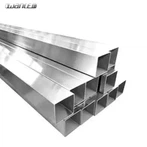
Hot - dip galvanizing is a physical treatment process, and the galvanizing is completed through repeated galvanizing - cooling cycles. Also known as hot - dip zinc coating, it involves melting zinc ingots at high temperatures, adding some auxiliary materials, and then immersing metal structural parts in a galvanizing bath, so that a layer of zinc adheres to the metal components. The advantages of hot - dip galvanizing lie in its strong anti - corrosion ability, as well as good adhesion and hardness of the galvanized layer. The continuous hot - dip galvanizing process is as follows: steel - heating - cooling to the galvanizing temperature - galvanizing - cooling. Hot - dip galvanizing is generally carried out after the edge - wrapping process. When the thickness of the load - bearing steel is ≥5mm, the weight of the galvanized layer is ≥610 g/㎡; when the thickness of the load - bearing steel is less than 5mm, the weight of the galvanized layer is ≥460 g/㎡. The quality and requirements after galvanizing should comply with the provisions of GB/T 13912.
Cold galvanizing is a chemical treatment that is completed through an electrochemical reaction. "Cold plating" is "electroplating", that is, a zinc - salt solution is electrolyzed to deposit a coating on the workpiece. Generally, it doesn't require heating, and the amount of zinc deposited is very small. It is easy to fall off in a humid environment. Cold galvanizing is electro - galvanizing, with a zinc coating amount of only 10 - 50 g/㎡. Its corrosion resistance is much worse than that of hot - dip galvanizing. The price of electro - galvanizing is relatively cheaper.
Differences in processes between hot - dip galvanizing and cold galvanizing
For hot - dip galvanizing, the workpiece is degreased, pickled, immersed in a chemical solution, dried, and then immersed in molten zinc for a certain period of time before being taken out.For cold galvanizing, the workpiece, after being degreased and pickled, is placed in a zinc - salt solution using an electrolysis device and connected to the negative pole of the electrolysis device. A zinc plate is placed opposite the workpiece and connected to the positive pole of the electrolysis device. When the power is turned on, the galvanizing is completed by the directional movement of the electric current from the positive pole to the negative pole.
Differences in galvanized finished products: The appearance of hot - dip galvanized products is not as fine and shiny as that of cold - galvanized ones. However, in terms of the thickness of the zinc layer, hot - dip galvanizing is dozens of times that of cold - galvanizing. The corrosion - resistance of hot - dip galvanized products is also dozens of times that of electro - galvanized products.
Environmental impacts of hot - dip galvanizing and cold galvanizing:
Hot - dip galvanizing has fewer pollutant emissions. The main pollutant of hot - dip galvanizing is the waste acid from pickling the workpieces.The pollutants of cold galvanizing mainly include the waste acid from pickling the workpieces, electroplating waste liquid, waste passivation solution, etc. The types and quantities of pollutants emitted by cold galvanizing are significantly more than those of hot - dip galvanizing.