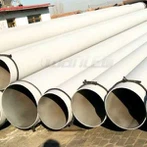
What is heat treatment for steel pipes?
The heat treatment of steel pipes is a key process that changes the microstructure of the metal inside the pipe by strictly controlling the heating, insulation, and cooling processes, in order to obtain the required mechanical and functional properties.
Basic Principles
The performance of steel depends on its microstructure. Heat treatment drives atomic rearrangement through temperature and time control, achieving the following transformations:
Refine grain size, enhance toughness and strength
Eliminate internal stress and prevent deformation and cracking
Adjust carbide distribution to improve wear resistance
Obtain specific tissues (such as martensite, austenite)
Main heat treatment process and purpose
The following flowchart illustrates the paths and objectives of four core heat treatment processes for steel pipes:

Performance impact comparison
|
performance metrics |
normalizing |
Quenching and tempering (quenching+tempering) |
annealing |
Solution treatment (stainless steel) |
|
Strength/Hardness |
moderate |
highest |
minimum |
Low (but strong work hardening) |
|
Resilience/plasticity |
good |
Excellent (matching high strength) |
optimal |
excellent |
|
internal stress |
lower |
low |
minimum |
low |
|
core purpose |
Comprehensive performance balance |
High strength and toughness |
Soften and relieve stress |
Maximizing corrosion resistance |
Summary
When selecting steel pipes, the "delivery status" (heat treatment type) is equally important as the steel grade and size, directly determining their safety and lifespan in the system.

We are able to provide high quality steel pipes and steel pipe fittings according to customers' needs and look forward to your purchase.